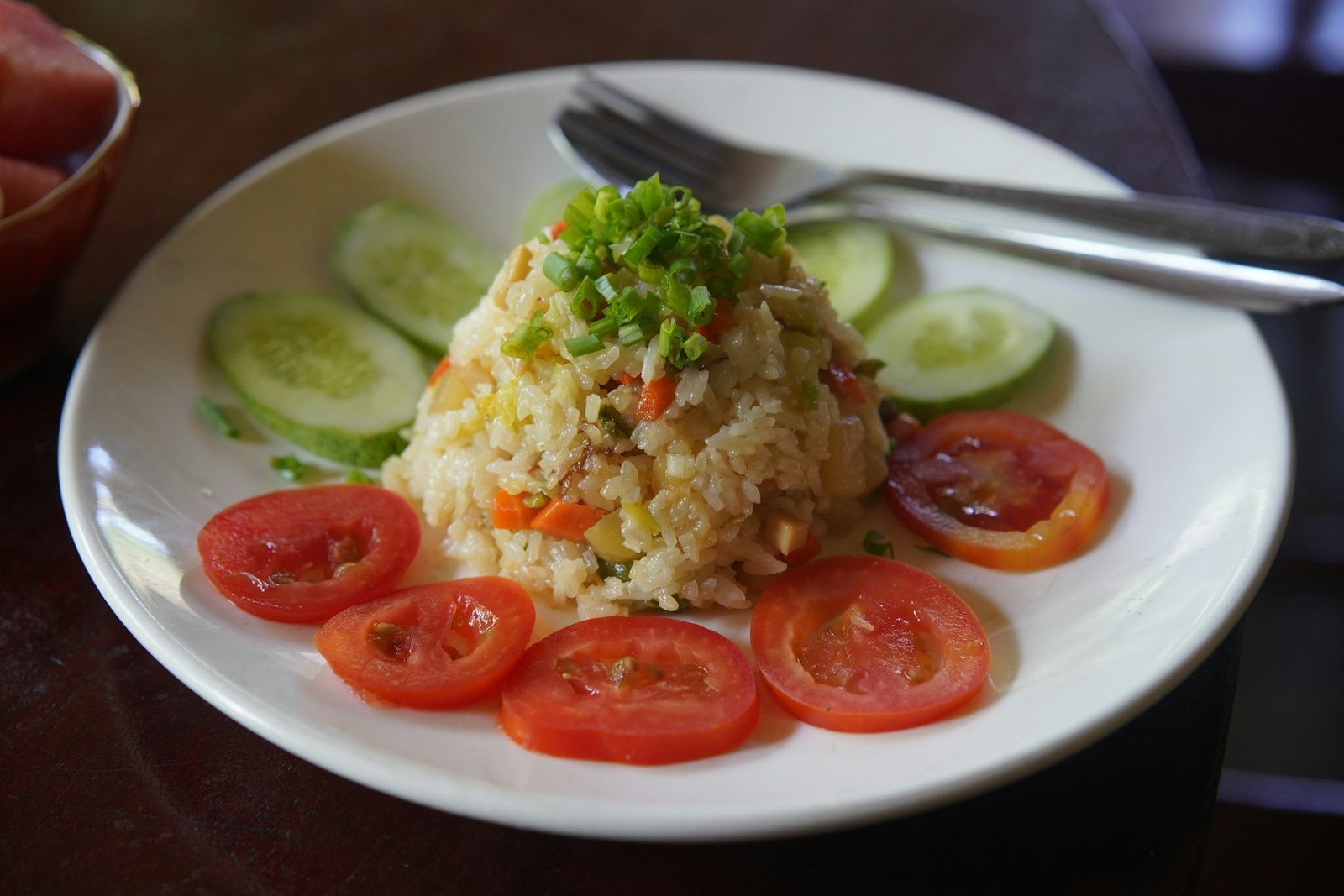
Bali belly is travelers' diarrhea, and the CDC calls it the most common travel-related illness. In an otherwise healthy adult it is rarely serious, but it can take days out of a trip. Prevention is about what you eat and drink, treatment is mostly fluids, and a doctor is needed when there is blood, fever, dehydration or no improvement.
What Bali belly is
Bali belly is the local name for travelers' diarrhea, a stomach illness picked up from contaminated food or water. The CDC lists Asia, with the exceptions of Japan and South Korea, among the highest-risk regions for it. The CDC also says that in otherwise healthy adults diarrhea is rarely serious or life-threatening, though it can make a trip very unpleasant.
Where it comes from
The source is contaminated food or drink. The State Department says that in many areas of Indonesia tap water is not safe to drink, and that impure water can cause diseases including typhoid, hepatitis and dysentery. Water reaches a traveler through ice and washed salads as well as through a tap.
Why we give no odds
Travel sites often quote a percentage of visitors who get sick in Bali. We have found no official figure for Bali, so we are not going to print one. The honest summary is the CDC's: travelers' diarrhea is common in this part of the world, and the precautions below lower the risk without removing it.
How to prevent Bali belly
Preventing Bali belly comes down to a short list of habits from the CDC. Eat only food that is cooked and served hot. Avoid food that has been sitting on a buffet. Drink only beverages from factory-sealed containers, avoid ice because it may have been made from unclean water, and wash your hands often with soap and water.
Water and ice
The State Department's advice for Indonesia is to drink bottled water from a major brand with the seal intact, and it notes that many restaurants and hotels serve tap water unless bottled water is specifically requested. It suggests asking for no ice. The CDC adds that teeth should be brushed with bottled or disinfected water.
Food
The CDC's guidance is to avoid raw foods and fresh salads, which may have been washed in contaminated water, and to prefer food that arrives hot. It advises against food from street vendors, and says that anyone who chooses to eat street food should apply the same rules. Fruit you peel yourself is the easy exception.
Hands
The CDC's instruction is to wash your hands often with soap and water, especially after using the bathroom and before eating. This is the least glamorous precaution and one that is easy to keep on a trip. Our advice is to carry hand sanitizer for the moments when there is no sink, such as a market or a boat.
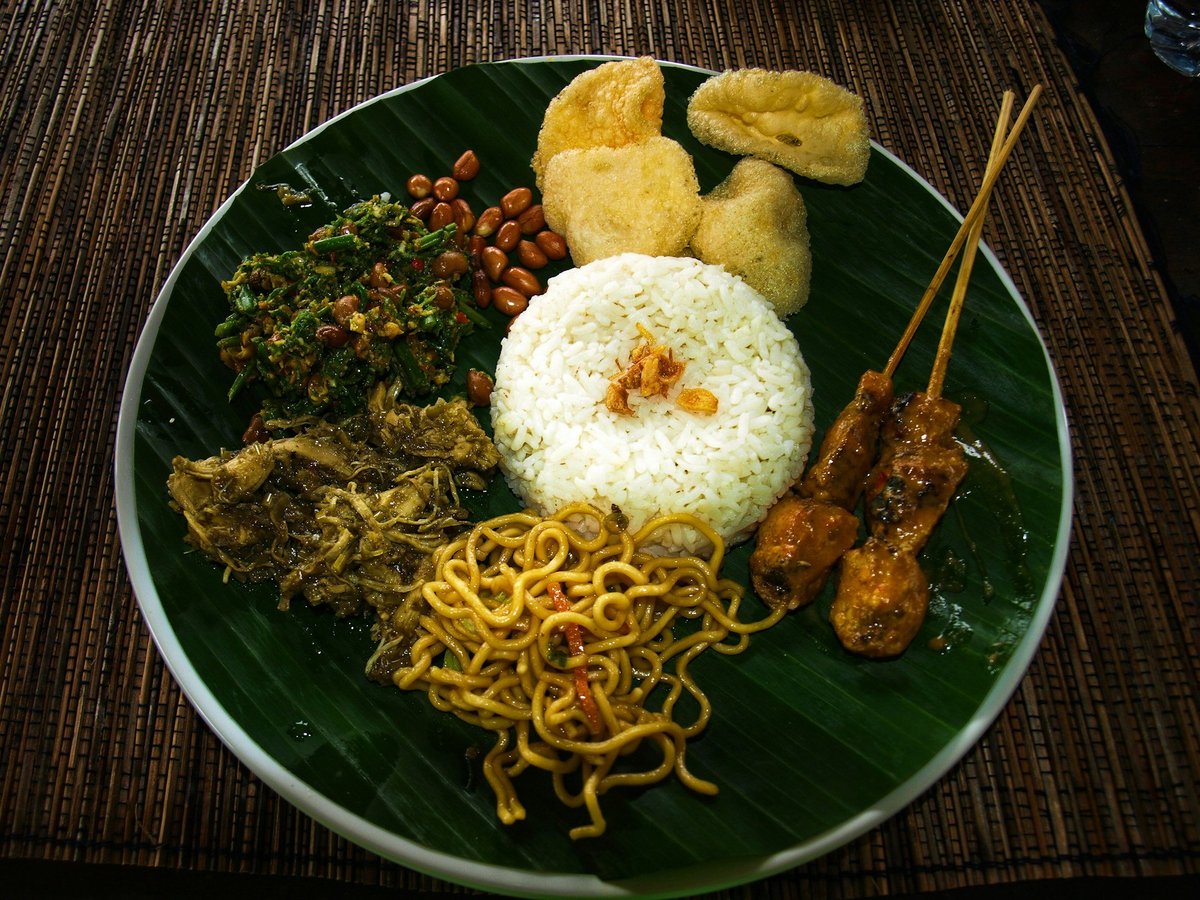
How to treat Bali belly
Treating Bali belly starts with fluids. The CDC's advice is to drink lots of fluids to stay hydrated, and in serious cases to use oral rehydration solution to replace what is lost. Dehydration is what turns an unpleasant day into a medical problem, particularly in Bali's heat, so drinking comes before everything else.
Over-the-counter medicine
The CDC notes that several drugs, such as loperamide, can be bought over the counter to treat the symptoms of diarrhea. Our advice is to bring a small supply from home along with oral rehydration salts, since the State Department warns that counterfeit medication is common in Indonesia and may have the wrong strength or dangerous ingredients.
Antibiotics
According to the CDC, a doctor may prescribe antibiotics for travelers' diarrhea, but they should be considered only for severe cases. That is a conversation to have with your own doctor before the trip, not a decision to make at a pharmacy counter abroad.
Rest, and safe drinks only
While you are ill, every drink should be a safe one: sealed bottled water, oral rehydration solution, or tea served steaming hot. Our advice is to cancel the day's plans without guilt. Pushing on to a long drive or a boat crossing with a stomach bug makes both the illness and the day worse.