Do not drink the tap water in Bali. What the State Department and CDC say about bottled water, ice, salads and brushing your teeth, and how to make water safe.
Editorial Written and checked for American travelers
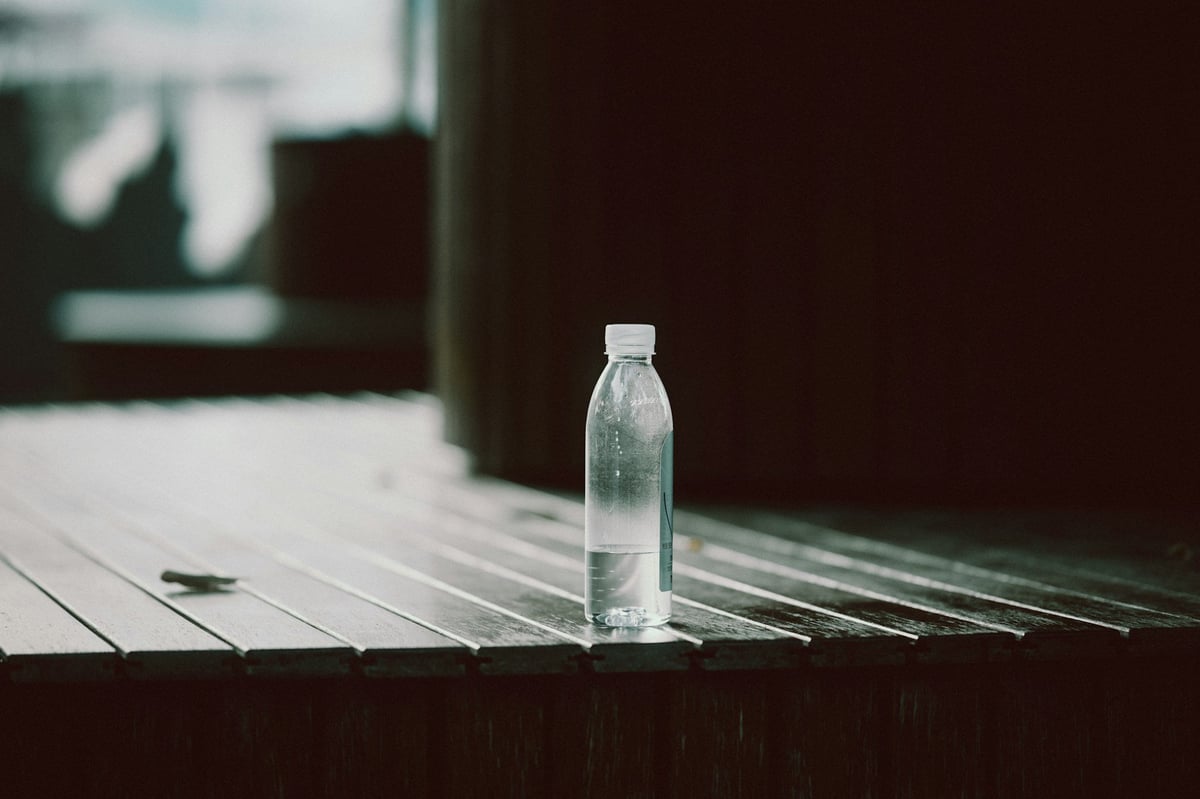
No. Do not drink the tap water in Bali. The State Department says that in many areas of Indonesia tap water is not safe to drink, and it advises bottled water from a major brand with the seal intact. The same caution applies to ice and to anything rinsed in tap water. Sealed bottled water is sold everywhere on the island, so the rule is easy to follow.
What the official advice says
The State Department's guidance on water in Indonesia is direct: in many areas, tap water is not safe to drink. It adds that bottled water and beverages are generally safe, and that travelers should use major brands and make sure the seal is intact. Impure water, it notes, can cause diseases such as typhoid, cholera, hepatitis and dysentery.
Restaurants and hotels
The State Department also warns that many restaurants and hotels in Indonesia serve tap water unless bottled water is specifically requested. The practical step is to ask for bottled water by name and to check that the bottle arrives sealed. A carafe or a glass already poured tells you nothing about where the water came from.
The CDC's version
The CDC's advice for destinations where tap water may be contaminated is the same in substance: do not drink the tap water, and choose drinks from unopened, factory-sealed bottles or cans. Hot coffee or tea should be safe if it is served steaming hot.
Ice, smoothies and brushing your teeth
Tap water in Bali reaches a traveler in more ways than a glass. The State Department suggests asking for no ice in drinks, since ice may be made using tap water, and the CDC advises against ice in destinations where drinking water is a concern. The same thinking applies to anything blended, rinsed or diluted with water you did not see.
Ice
We have no official source describing how ice is made at any particular bar or restaurant in Bali, so we will not tell you that a certain kind of ice is safe. The official position is the cautious one. If you want to follow it, order drinks without ice, or drink from a sealed, chilled bottle or can.
Brushing your teeth
The CDC's advice is to brush your teeth with bottled or disinfected water. Keep a bottle by the sink so that it becomes a habit, and keep your mouth closed in the shower. This is the step people forget in the first two days, when jet lag has them on autopilot.
Fountain drinks and juices
The CDC advises against fountain drinks, since the water most likely comes from the tap. A fresh juice or smoothie may be made with water or ice as well as fruit. Our advice is to ask what goes into it, or to choose a sealed drink when you are unsure.
Food washed in tap water
Tap water also matters on the plate. The CDC's guidance for travelers is to avoid raw foods and fresh salads, which may have been washed in contaminated water, and to choose food that is cooked and served hot. Fruit you peel yourself is a different case from fruit that was cut and rinsed in a kitchen.
Street food
The CDC's advice is to avoid food from street vendors, and it adds that if you choose to eat street food, the same food safety rules apply. In practice that means food cooked in front of you and served hot. Whether to eat at a street stall is your decision; the rule to apply is the same either way.
How strict to be
These are cautious rules, and plenty of travelers relax them. We are not going to tell you which ones are safe to drop, because we have no source that says so. Our advice is to hold to them most firmly in the first days of the trip and before any day you cannot afford to lose, such as a flight or a boat crossing.
Making water safe yourself
Tap water can be made safe when bottled water is not at hand. The State Department lists filtering, boiling, disinfecting and distilling as the methods, and the CDC likewise says tap water can be disinfected by boiling, filtering or chemically treating it. A kettle in a hotel room is the simplest of these.
Refill stations and filtered water
Bali's rules for visitors prohibit single-use plastics, including plastic-packaged drinks, which sits awkwardly beside advice to drink bottled water. Some accommodation offers filtered water for refilling a bottle. We cannot vouch for any individual filter, so ask your accommodation how its drinking water is supplied and decide from there.
A bottle with a filter
A refillable bottle with a built-in filter or purifier is one way to follow both the health advice and the plastics rule. Check the maker's claims about what the filter removes before you rely on it, since filters differ, and bring it from home.
If you get sick anyway
A stomach illness is the usual worry after drinking contaminated water. Our advice is to drink plenty of safe fluids and rest. The State Department notes that medical care is not free in Indonesia and that hospitals and doctors often require payment or a sizable deposit before treatment, so know where your insurance details are.
When to see a doctor
Our advice is to see a doctor if there is blood, a high fever, signs of dehydration, or no improvement after a couple of days, and sooner for a child. The CDC recommends hepatitis A, hepatitis B and typhoid vaccination for travel to Indonesia; hepatitis A and typhoid are both spread through contaminated food and water, so that conversation belongs before the trip.
FAQ
Can you drink tap water in Bali?
No. The State Department says tap water is not safe to drink in many areas of Indonesia and advises sealed bottled water from a major brand.
Is ice safe in Bali?
The State Department suggests requesting no ice, since ice may be made using tap water. We have no official source on how any particular venue makes its ice.
Can I brush my teeth with tap water in Bali?
The CDC's advice for destinations where tap water may be contaminated is to brush your teeth with bottled or disinfected water.
Is bottled water safe in Bali?
The State Department says bottled water and beverages are generally safe, and advises using major brands and checking that the seal is intact.
Keep planning
Not sure how it all fits together?
Pick your trip length and we'll route a real day-by-day plan.