Bali's shoulder season is April to June and September to October: the months on either side of the July and August peak. South Bali's rainfall normals are low in those months, at roughly 2 to 4 inches, against about 1 inch in July. The trade is a slightly higher chance of rain in exchange for fewer visitors, and for most travelers it is a good one.
When the shoulder season is
The shoulder season in Bali falls in two windows, one before the peak and one after it. The first runs from April to June, as the wet season ends. The second covers September and October, before the rains return in November. Both sit inside or beside the dry season on the rainfall figures.
The numbers behind it
Climate normals for the Denpasar station in south Bali show about 1 inch of rain in July and about 14 inches in January. The shoulder months sit near the bottom of that range: about 4 inches in April and May, under 3 in June, and about 2.5 in September and October.
Why the peak is the peak
July and August are the driest months in the normals, and they are also the summer vacation months in the United States, Europe and elsewhere in the northern hemisphere. Weather and school calendars point at the same eight weeks. The shoulder season is what remains of the dry season once those eight weeks are taken out.
What you gain
The gain from Bali's shoulder season is space. Fewer people are traveling, so the things that are limited in supply are easier to get: a room in the place you wanted, a driver on the day you need one, a table at sunset. We have no official occupancy or price statistics by month, so we describe the direction and not the size.
Temperature stays the same
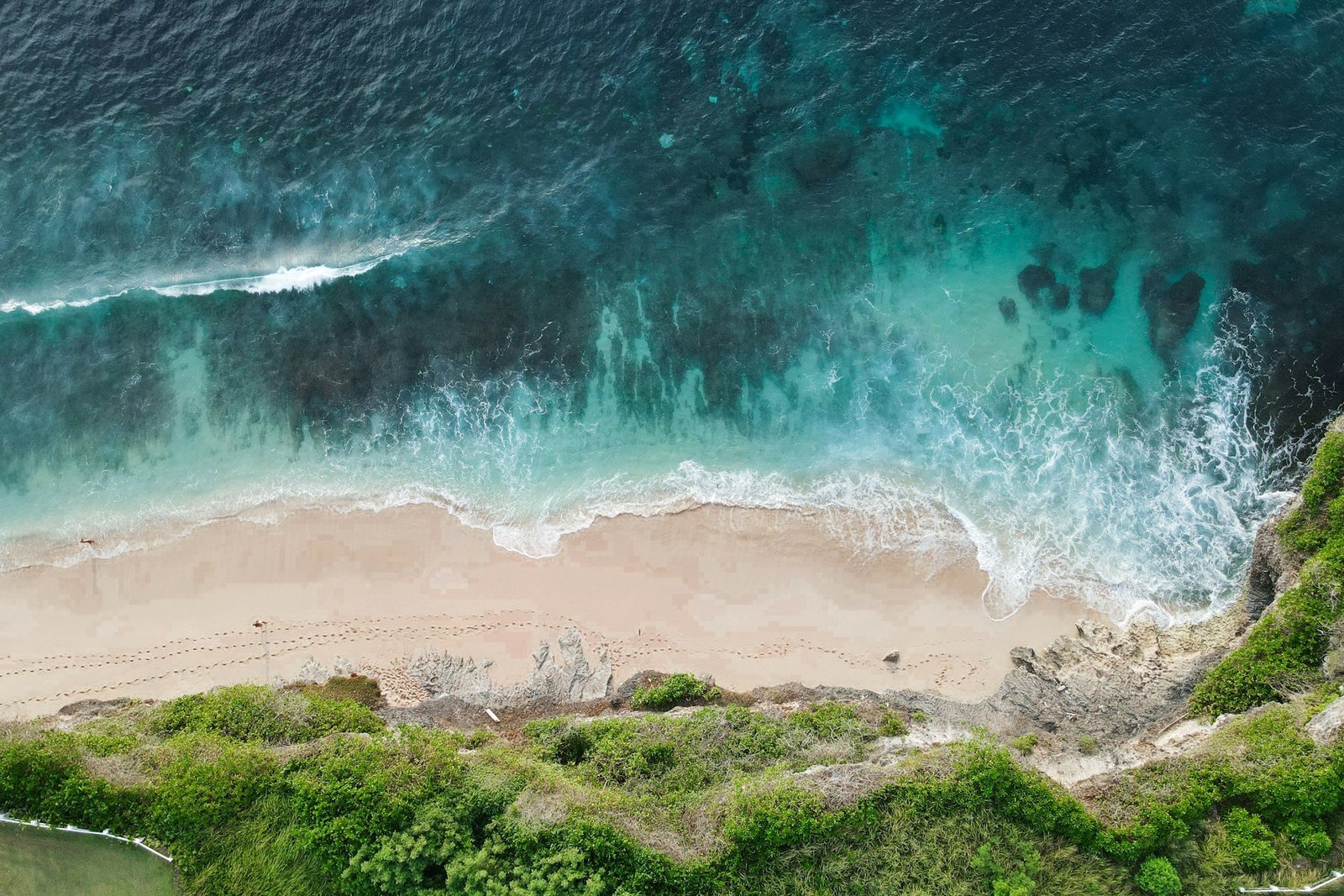
Nothing is given up in warmth. The normals put the average temperature at the Denpasar station between about 79°F and 83°F in every month of the year. A shoulder-season day is as warm as a peak-season day, and the sea is as swimmable.
Green landscapes in the first window
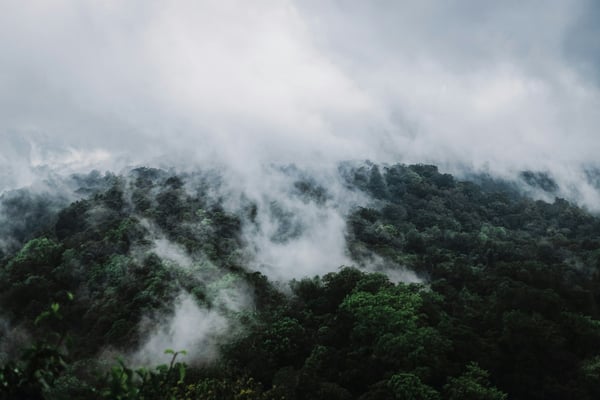
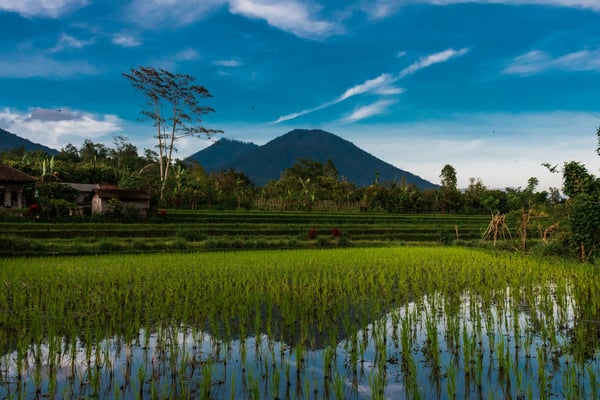
April, May and June follow the wettest months of the year, when the south Bali normals show 9 to 14 inches of rain a month. Our observation, which is not a sourced fact, is that the landscape tends to look its greenest in the weeks after the rains, before the long dry stretch.
What you trade
The trade in the shoulder season is certainty about the weather. A normal of 4 inches in April is four times the July figure, and the seasons do not switch on a fixed date. Indonesia's meteorological agency forecasts the start of the dry season each year by zone, and for 2026 it predicted an earlier start than normal across most of Bali.
April and October are the edges
April and October are the months closest to the wet season on either side, so they carry the most uncertainty. In a year when the rains end late, April can still feel wet. In a year when they return early, late October can too. May, June and September sit further from the edges.
Check the calendar as well as the climate
The shoulder months contain their own busy days. Indonesian national holidays create long weekends that fill the island with domestic visitors, and the dates change yearly. In 2027, for example, Eid al-Adha falls on May 17 and Vesak on May 20, each with a collective leave day attached.