Bali's rainy season runs from about November to March, with about 14 inches of rain in January. What still works, what the rain gets in the way of, and how to plan.
Editorial Written and checked for American travelers
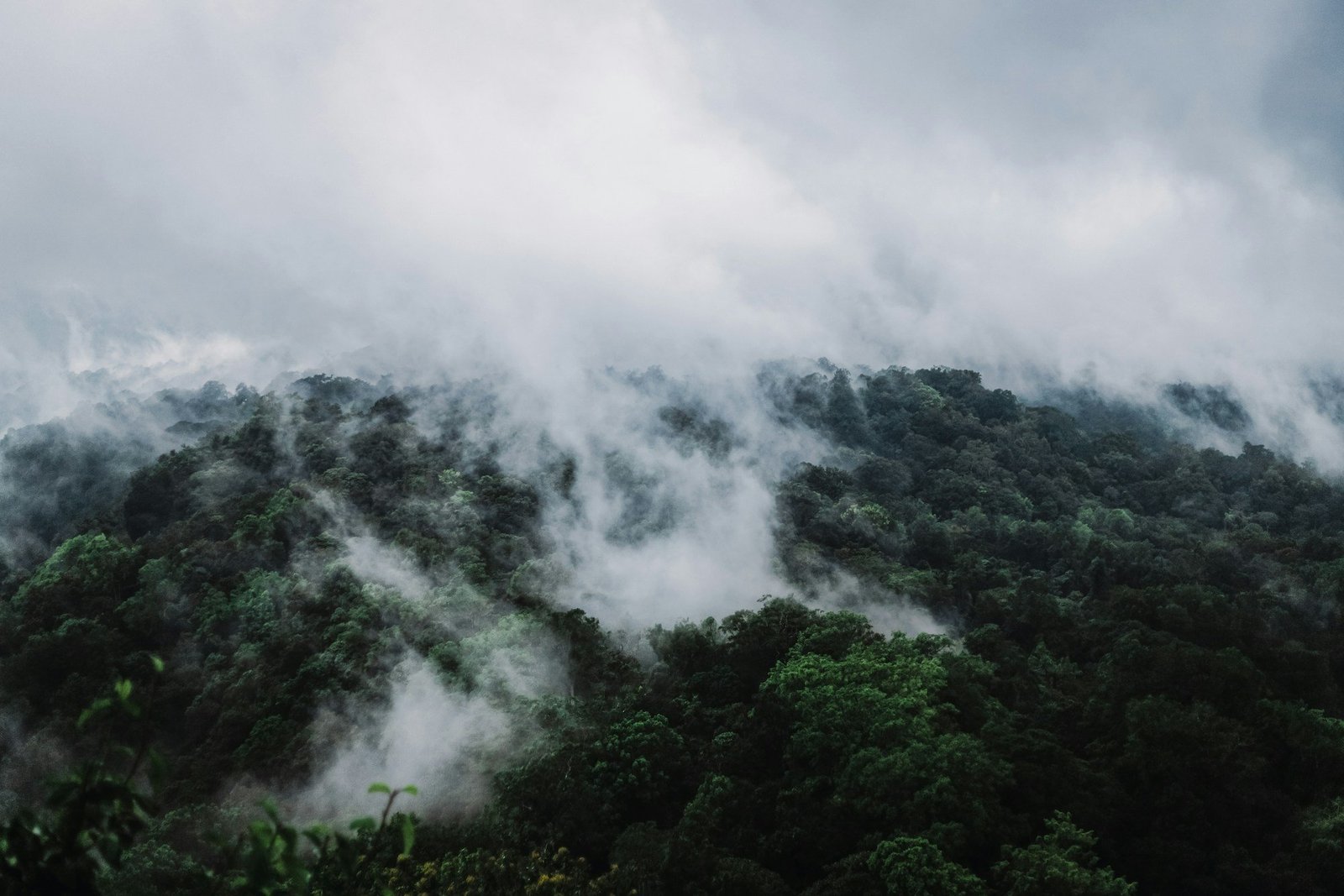
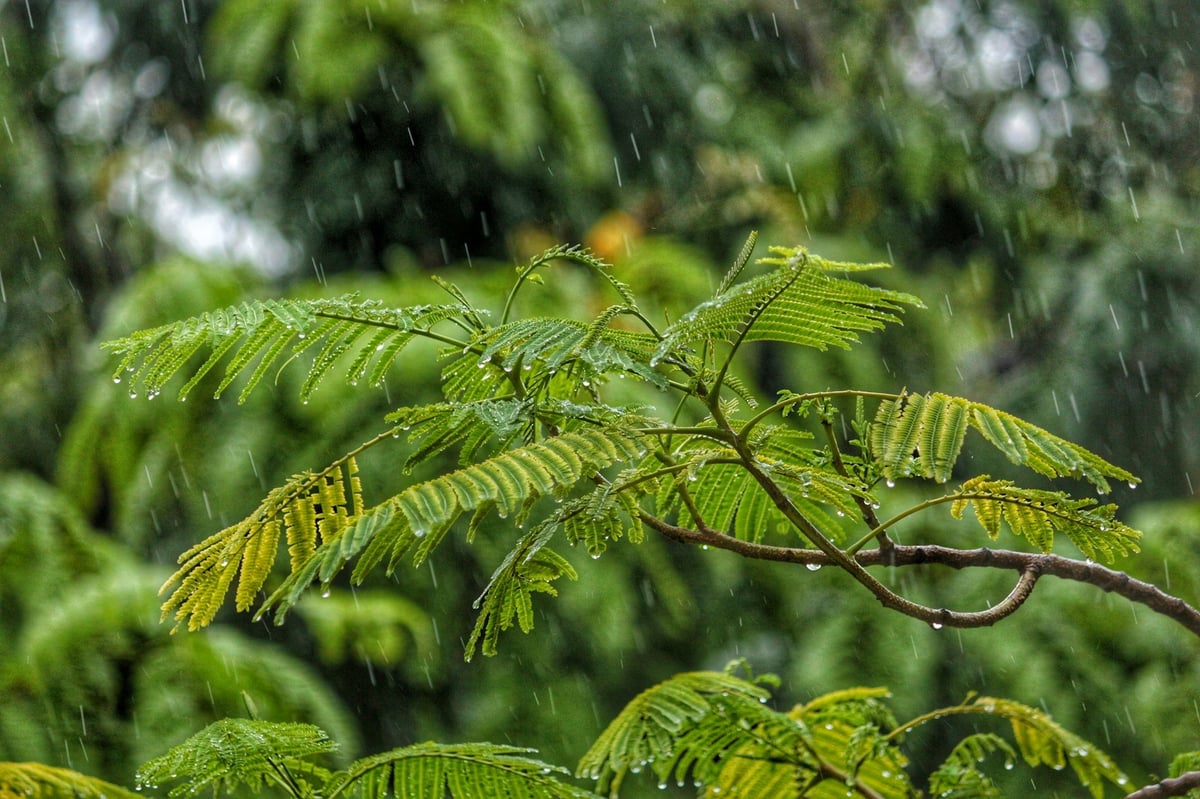
Bali's rainy season runs from about November to March, and it is warm, green and wet. South Bali's climate normals show about 1 inch of rain in July and about 14 inches in January, so the difference between the seasons is large. A rainy-season trip works well for travelers who plan for it, and less well for a short trip built on beaches and boats.
How wet the rainy season is
Rainy season in south Bali means monthly rainfall many times higher than in the dry months. The normals for the Denpasar station show about 5 inches in November, about 13 in December, about 14 in January, about 11 in February and about 9 in March. By April the figure is back to about 4 inches.
For comparison
The same station's normals show about 1 inch in July and 1.4 inches in August. January, then, averages more than ten times the rain of the driest month. A reader in the United States can set those monthly totals beside the figures for their own city to get a feel for the scale.
What the totals do not tell you
A monthly total says how much rain falls, not when. We have no official figures for the number of rainy days or the hours of rain in a day in Bali, so we do not describe a typical day as fact. Travelers commonly report heavy bursts with dry spells between them, and also the occasional day that stays wet throughout.
Temperature and humidity
Rainy season in Bali is not a cold season. The normals put the average temperature at the Denpasar station at about 82°F from December through March, slightly warmer than the dry months of July and August, when it is about 79°F. The air holds more moisture, so the same temperature feels heavier.
What to pack
These are our own suggestions for a wet-season bag: a light rain jacket or poncho, sandals that can get wet, a dry bag for a phone and passport, quick-drying clothes, and mosquito repellent. Leave the heavy raincoat at home. In warm rain, the aim is to dry quickly, not to stay sealed.
Mosquitoes
The CDC says mosquitoes spread a number of diseases in Indonesia, including dengue, and that many of them cannot be prevented with a vaccine or medicine. Its advice is to cover exposed skin, use an appropriate insect repellent, and sleep in air-conditioned or screened rooms. That advice holds all year and deserves extra attention when there is standing water about.
What still works in the rain
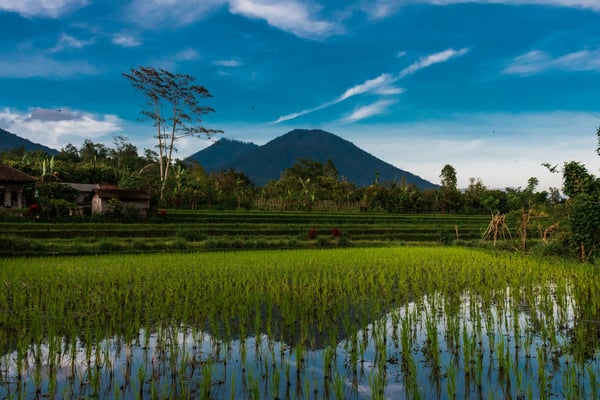
Most of what brings people to Bali carries on through the rainy season. Temples, markets, restaurants, spas, cooking classes and yoga studios are indoors or under cover. Rice terraces and forests are at their greenest. A driver and a car turn a wet day into a comfortable one, since the rain stays outside the window.
Surfing
Surf guides describe the wet season as the time when the east-facing coast has the cleaner conditions, because the winds turn to the northwest. A surfer visiting between November and March looks to the east side of the island instead of the famous west-coast breaks.
Festivals
The wet months hold some of the calendar's main events. Nyepi, the day of silence, falls in March: in 2027 it is on Monday, March 8, 2027. Galungan falls on January 13 in 2027. A rainy-season visitor may see more ceremony than a July visitor does.
What the rain gets in the way of
Rain in Bali matters most for the outings that depend on a clear sky or a calm sea. A sunrise volcano trek is about the view. A boat crossing to a smaller island depends on sea conditions. A beach day needs sun. We have no official figures on cancellations, so we state the dependence and not a rate.
Roads and water
Heavy rain slows traffic, and the CDC advises travelers in Indonesia to avoid swimming or wading in water that may be contaminated after flooding. Our advice is to stay out of floodwater on foot or on a scooter, and to allow more time than usual for any drive on a wet afternoon.
Scooters in the rain
A wet road is harder to ride on, and visibility drops in a downpour. Our advice is to leave the scooter parked when it is raining and to use a car. Indonesian law requires a helmet in any weather, and a license matching the type of vehicle driven.
How to plan a rainy-season trip
A rainy-season trip to Bali goes best with slack in the schedule. Our advice is to plan outdoor outings for the mornings and keep the afternoons loose, to hold a list of indoor things for wet days, and to avoid stacking weather-dependent bookings on consecutive days with no room to move them.
Trip length
The longer the trip, the less a wet day costs. On a two-week stay, two or three rained-out days leave plenty. On a five-day stay they are half the vacation. If your dates are fixed in the wet season and the trip is short, choose a base where there is plenty to do under cover.
The last day
Keep the day before your flight home free of anything that could strand you, such as a boat from another island. How the weather-dependent parts of a trip are placed against the fixed parts is set out in Bali, in Its Own Time.
Who the rainy season suits
Bali's rainy season suits travelers who value quiet and green over guaranteed sun, and anyone whose vacation dates are fixed in the northern winter. It suits a longer trip better than a short one. It is a weaker choice for a first visit of a week built around beach days, island boat trips and a sunrise hike.
December is its own case
Late December combines high rainfall, about 13 inches in the normals, with the Christmas and New Year vacation. Wet weather and high demand arrive together. A traveler choosing freely within the wet season will find the weeks outside that holiday period calmer.
FAQ
When is rainy season in Bali?
From about November to March. The start and end move from year to year and are forecast annually by Indonesia's meteorological agency.
How much does it rain in Bali in January?
About 14 inches on average at the Denpasar station in south Bali, the highest of any month.
Is Bali cold in the rainy season?
No. Average temperatures at the Denpasar station are about 82°F from December through March.
Is it worth going to Bali in the rainy season?
Yes, for travelers who plan slack into the schedule. It suits longer trips better than short ones built around beaches and boats.