Balifor Americans

Hospitals and Clinics in Bali: What to Expect and How Billing Works

Medical care in Bali is paid by the patient, often upfront and in cash, and US health plans rarely apply. How billing, insurance claims, ambulances and evacuation work.

Editorial
Written and checked for American travelers
·5 min read·
Hospitals and Clinics in Bali: What to Expect and How Billing Works
On this page
  1. 01What medical care in Indonesia is like
  2. 02How billing works
  3. 03How travel insurance fits in
  4. 04Ambulances and getting to a hospital
  5. 05Medical evacuation
  6. 06Medicine and pharmacies
  7. 07FAQ

Medical care in Bali is paid for by the patient, usually before treatment and often in cash. The State Department says hospitals and doctors in Indonesia often require payment or a sizable deposit upfront, that most US health plans do not cover care abroad, and that it strongly recommends insurance covering medical evacuation. With travel insurance, you normally pay first and claim afterward.

What medical care in Indonesia is like

The State Department's description of medical care in Indonesia is measured. Health facilities exist throughout the country, and routine medical care is available in major cities. Adequate care may be harder to find in rural areas, and most foreigners with the resources leave the country for anything beyond basic procedures. Medical staff may speak little or no English.

What that means in Bali

The State Department's statement covers Indonesia as a whole and does not rate Bali separately, so we will not rank the island's hospitals or name one as the best. The practical reading is that a clinic visit for a common problem is realistic, and that a serious injury or illness may mean a transfer, possibly out of the country.

Finding a doctor

The State Department notes that the US embassy maintains a list of doctors and hospitals, and that the embassy does not endorse or recommend any provider on it. The US Consular Agency in Bali, at +62-361-958-6161, is the local point of contact for Americans. Your insurer's assistance line is the other place to ask.

How billing works

Billing at a hospital or clinic in Indonesia starts before the treatment. The State Department says medical care is not free in Indonesia, that a patient will incur expenses even at a public facility, and that hospitals and doctors often require payment or sizable deposits upfront prior to service or admission. The bill is the patient's to settle.

Cash first

The State Department's guidance is that most care providers overseas accept only cash payments and that credit card payment is not always available. A traveler should therefore know how they would raise a deposit at short notice: which cards they carry, what their daily withdrawal limit is at home, and who could send money.

Your US insurance

The State Department is blunt about American coverage. Most US health plans do not cover medical expenses abroad, Medicare and Medicaid do not pay bills abroad, most hospitals and doctors abroad do not accept US health insurance, and the US government does not pay medical bills. Ask your own plan what it covers outside the country before you travel.

We quote no prices

We have no official source for what a consultation, a night in hospital or a deposit costs in Bali, and figures passed around online vary widely. We are not going to print a number. Ask the clinic for an estimate before treatment when the situation allows it, and ask for itemized receipts afterward.
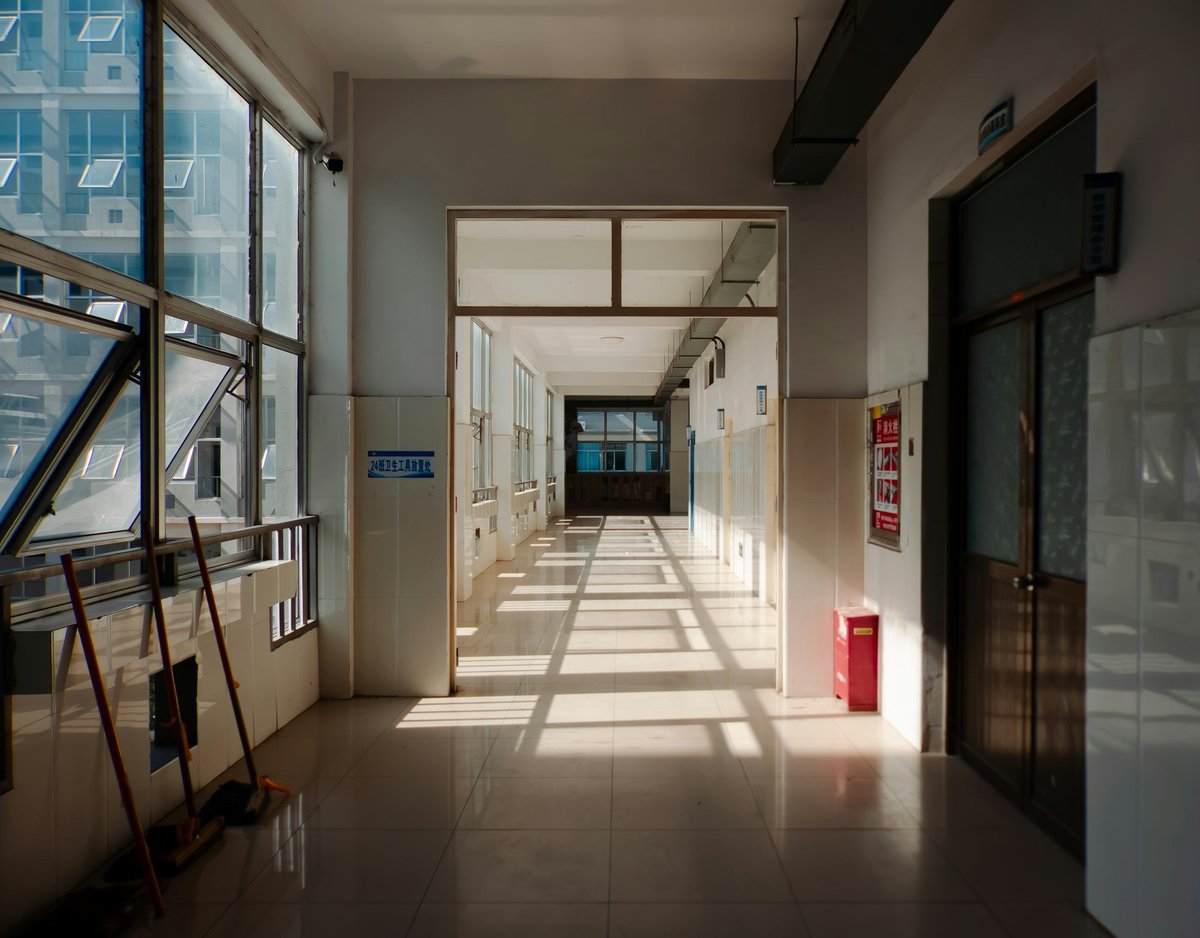
A sunlit, empty hospital corridor

How travel insurance fits in

Travel insurance in Indonesia usually works by reimbursement. The State Department highly recommends buying travel insurance before the trip, and notes that if you purchase supplemental insurance you are responsible for seeking reimbursement from the provider. In plain terms, expect to pay the clinic yourself and to claim the money back with paperwork.

Call the insurer early

If your policy has an assistance line, our advice is to call it as soon as a hospital visit looks likely. Whether an insurer will pay a hospital directly or guarantee a bill is a matter for your policy and for that call. We cannot tell you what your insurer will do, and no article can.

Keep every document

A claim is built from documents. Ask for the medical report, the itemized bill and proof of payment before you leave the clinic, and photograph each page. If the visit followed an accident or a theft, a police report belongs in the same folder.

Ambulances and getting to a hospital

Ambulance services in Indonesia are not widely available, according to the State Department, and ambulances can take 45 minutes or longer to arrive. It notes that travelers may prefer to take a taxi or a private vehicle to the hospital instead of waiting. The emergency medical numbers it gives are 118 and 119.

Know the answer before you need it

Our advice is to ask your accommodation on the first day which clinic or hospital they would send a guest to, and how you would get there at night. Save the address in your phone's map. In an emergency the general numbers are 112 for the unified emergency line, 110 for police, 119 for an ambulance and 113 for fire.

Transfers cost extra

The State Department says patients must cover all costs of transfer to or between hospitals. A move from a small clinic to a larger hospital is a separate bill, and a move out of the country is a far larger one. That is the reason the evacuation part of an insurance policy matters.

Medical evacuation

Medical evacuation is the part of the picture the State Department stresses most. It says the US government strongly recommends supplemental insurance to cover medical evacuation, and that travelers who are injured will likely need to travel to a major city for appropriate care. For anything beyond basic procedures, it notes, most foreigners with the means leave Indonesia.

Check your policy for it

Our advice is to read the evacuation section of any policy before buying: what triggers it, who decides, and where the policy would send you. These terms differ from one policy to the next. A policy bought for trip cancellation alone may contain very little medical cover.

Medicine and pharmacies

Pharmacies in Indonesia sell a wide range of medicines with few controls, and the State Department warns that counterfeit medication is common and may not work, may have the wrong strength, or may contain dangerous ingredients. Its advice is to buy medication with the help of a medical professional and from trusted places.

Bring what you rely on

Our advice is to bring the full supply of any medicine you depend on, within Indonesia's import rules, instead of planning to buy it in Bali. How a medical bill, a medicine supply and an insurance policy fit together before the trip is set out in the complete Bali trip guide.

FAQ

Do hospitals in Bali take US health insurance?

The State Department says most hospitals and doctors abroad do not accept US health insurance, and most US plans do not cover care abroad.

Do you have to pay upfront at a hospital in Bali?

Often, yes. The State Department says hospitals and doctors in Indonesia often require payment or sizable deposits before service or admission.

How do you call an ambulance in Bali?

The State Department gives 118 or 119 for emergency medical services, and notes that ambulances can take 45 minutes or longer, so a taxi or private vehicle may be faster.

Do I need medical evacuation insurance for Bali?

The State Department says the US government strongly recommends supplemental insurance that covers medical evacuation.

Keep planning
Not sure how it all fits together?

Pick your trip length and we'll route a real day-by-day plan.

Build your trip →