Vaccines for Bali, and What to Do After a Dog or Monkey Bite
No vaccines are required for Bali, but the CDC recommends several, and rabies is present on the island. What to get before you go and what to do after a bite.
Editorial Written and checked for American travelers
No vaccine is required to enter Bali, and that fact leads many travelers to skip the subject. The CDC still recommends several for Indonesia, and one health risk on the island needs a decision before you fly, not after: rabies, which the CDC says is commonly found in dogs in Indonesia and is the reason a bite or scratch is always treated as urgent.
Vaccines for Bali: required versus recommended
Indonesia requires no vaccinations for entry, according to the US State Department. The CDC separately recommends that travelers to Indonesia be up to date on routine vaccines and recommends hepatitis A, hepatitis B and typhoid for most travelers. Recommended is not the same as required: nobody checks at the airport.
The routine ones first
The CDC's starting point is that routine vaccines should be current before any international trip. Its Indonesia page also carries a global measles notice, a reminder that the basics matter more than anything exotic. A pre-travel appointment is the simplest way to check your record.
Hepatitis A and typhoid
Both are spread through contaminated food and water. The CDC recommends hepatitis A vaccination for unvaccinated travelers aged one and over going to Indonesia, and typhoid vaccination for most travelers. The CDC adds that the typhoid vaccine is not fully protective, so careful food and water habits still matter.
Hepatitis B and Japanese encephalitis
The CDC recommends hepatitis B vaccination for unvaccinated travelers of all ages. Japanese encephalitis vaccine is a narrower recommendation, aimed at travelers who are moving to an affected area, spending long periods such as a month or more there, or visiting frequently. For a one- or two-week vacation, that one is a conversation with a doctor, not a default.
Malaria, dengue and Zika
Mosquito-borne illness in Bali is mostly about dengue and Zika, not malaria. The CDC reports no malaria transmission in the resort areas of Bali, in Ubud, or in the Gili Islands. Malaria is present in other parts of Indonesia, which matters if your trip continues beyond Bali.
Dengue
The CDC lists dengue as a risk throughout Indonesia. There is no pill to take against it; protection means avoiding bites. Use an effective repellent during the day as well as in the evening, and choose accommodation with screens or air conditioning where you can.
Zika and pregnancy
The CDC currently has a Level 2 travel health notice for Zika in Bali, issued after cases were reported in travelers returning from the island. The notice advises all travelers to Bali to prevent mosquito bites and sexual transmission during and after travel. Anyone who is pregnant or planning a pregnancy should read the notice and talk to a doctor before booking.
Rabies is the decision to make before you fly
Rabies is a risk the CDC flags for the whole of Indonesia: it says dogs infected with rabies are commonly found in the country. The CDC also says rabies vaccines are typically available throughout most of the country after an exposure. Whether to be vaccinated before travel depends, in the CDC's words, on your planned activities and on how quickly you could reach treatment.
Who should consider the pre-travel vaccine
The CDC frames it as two questions: will your activities increase the chance of contact with potentially rabid animals, and might you have difficulty getting prompt post-exposure treatment? Travelers heading to remote parts of the island, families with small children who are drawn to animals, and anyone planning long stays have more reason to ask their doctor about it.
The cost question
Pre-travel rabies vaccination is a series of shots, and whether your US health plan pays for it is a question for your insurer. It does not remove the need for treatment after a bite; it simplifies that treatment. Ask your doctor and your insurer what each route would cost you.
What to do after a dog or monkey bite
A bite or scratch from a dog, monkey or other mammal in Bali should be treated as a possible rabies exposure, whether or not the animal looked healthy. The CDC's instruction is to seek medical attention immediately. Rabies is fatal once symptoms appear, and treatment given promptly after exposure prevents it.
The first minutes
Wash the wound thoroughly with soap and running water, then go to a clinic or hospital the same day. Do not wait to see whether the wound looks serious, and do not let a small scratch persuade you that it does not count. Tell the staff exactly what happened and what animal it was.
Monkeys are the common case
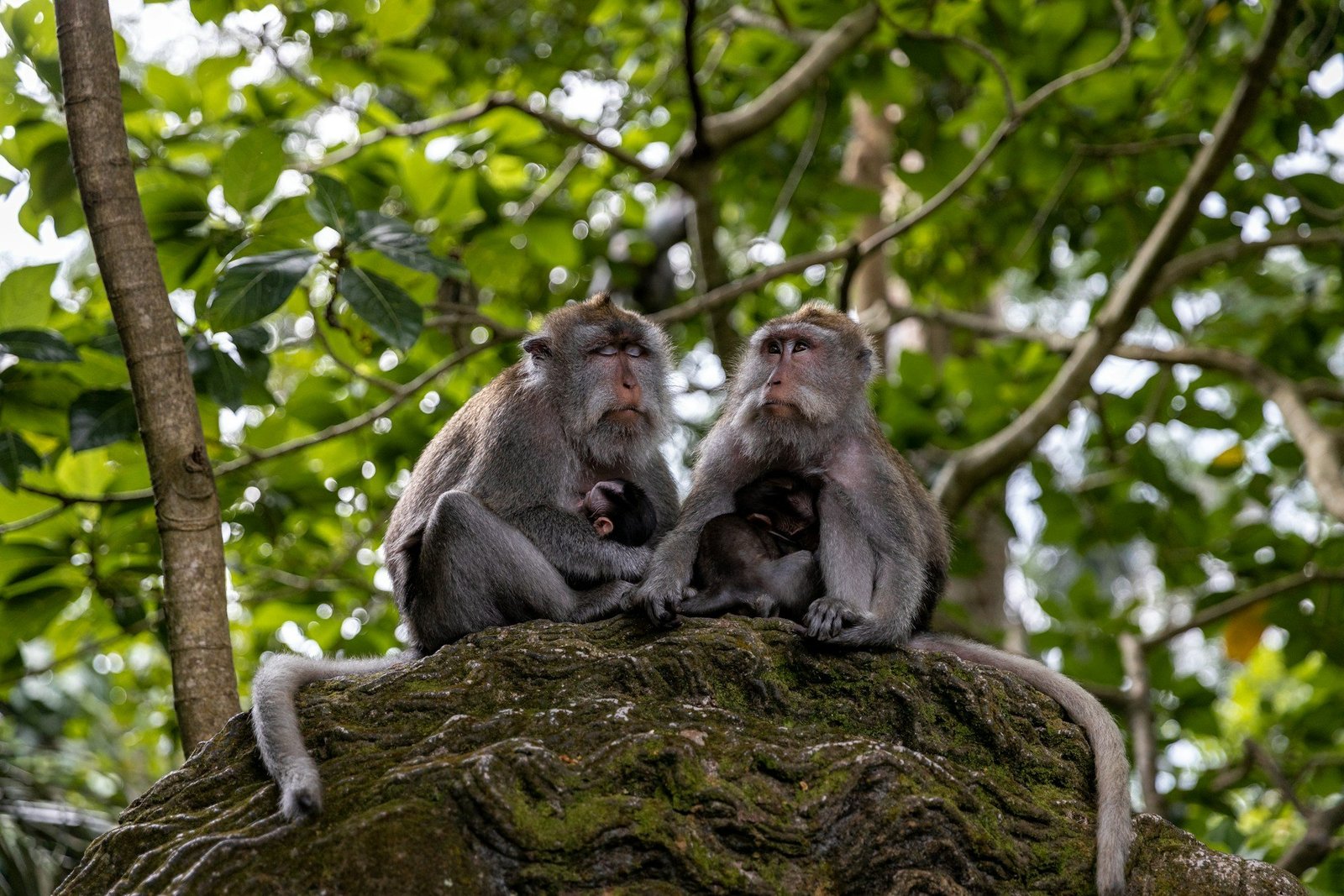
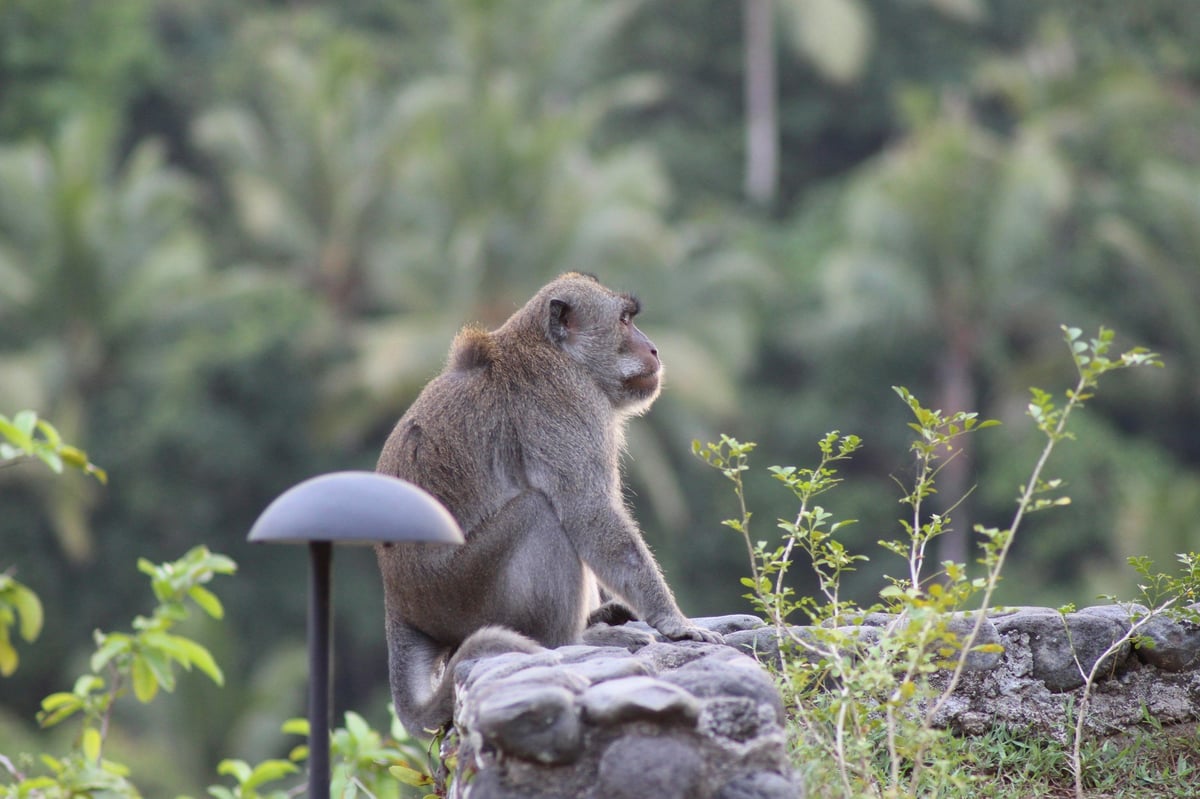
Monkeys at Bali's temples and forests live close to visitors. Do not feed them, do not carry food in your hands, and do not try to take anything back that a monkey has grabbed. Keep small children close. The CDC's general advice for Indonesia is to avoid wild animals and unfamiliar dogs and cats.
Call your insurer the same day
If you have travel insurance, phone the assistance number as soon as you have washed the wound and are on your way to care. Treatment can involve several visits, and it is easier to have the insurer involved from the start than to claim afterward.
Food and water habits
Food and water precautions matter in Bali because the two most commonly recommended vaccines, hepatitis A and typhoid, protect against illnesses spread that way, and neither covers ordinary traveler's diarrhea. The CDC advises travelers to Indonesia to follow safe food and water practices and to wash hands at key times.
Practical habits
Our advice, beyond the official wording: drink sealed or filtered water, eat food that is cooked and served hot, and be more careful in the first days while your stomach adjusts. The CDC also warns against swimming or wading in water that may be contaminated, particularly after flooding.
FAQ
Do I need any vaccines for Bali?
None are required for entry. The CDC recommends being current on routine vaccines and recommends hepatitis A, hepatitis B and typhoid for most travelers to Indonesia.
Do I need malaria pills for Bali?
The CDC reports no malaria transmission in the resort areas of Bali, in Ubud, or in the Gili Islands. Other parts of Indonesia do have malaria.
What should I do if a monkey bites me in Bali?
Wash the wound thoroughly with soap and water and seek medical attention immediately. Treat any bite or scratch as a possible rabies exposure.
Is there rabies in Bali?
The CDC says dogs infected with rabies are commonly found in Indonesia, and its advice applies to travelers in Bali: avoid unfamiliar animals and seek care immediately after a bite.
Keep planning
Not sure how it all fits together?
Pick your trip length and we'll route a real day-by-day plan.