Balifor Americans

Surfing in Bali: Which Coast Works in Which Season

Bali has surf all year, but the wind reverses: west coast in the dry season, east coast in the wet. Which coast, which months, and how to choose a base.

Editorial
Written and checked for American travelers
·5 min read·
Surfing in Bali: Which Coast Works in Which Season
On this page
  1. 01Why the coast changes with the season
  2. 02Dry season: the west coast
  3. 03Wet season: the east coast
  4. 04Choosing a base by season
  5. 05Safety in the water
  6. 06Planning a surf trip around the calendar
  7. 07FAQ

Bali has surf all year, and the coast that works changes with the season. Surf guides describe the west-facing coast, from Canggu down to Uluwatu, as best in the dry season from about April to October, and the east-facing coast, around Sanur, Nusa Dua and Keramas, as best in the wet season from about November to March. Wind direction is the reason.

Why the coast changes with the season

Surf quality in Bali follows the wind, and Bali's wind reverses between seasons. Surf guides explain that the dry season brings southeast trade winds, which blow offshore on the west-facing coast and hold the waves up cleanly. In the wet season the wind turns to the northwest, which is onshore on the west and offshore on the east.

Offshore and onshore

An offshore wind blows from the land toward the sea, against the face of the incoming wave, and keeps it smooth. An onshore wind blows from sea to land and crumbles it. The same swell can produce clean surf on one side of the island and messy surf on the other on the same day.

The seasons in the rainfall record

The two wind seasons match Bali's rainfall seasons. South Bali's climate normals show about 1 inch of rain in July and about 14 inches in January. The dry months are the trade-wind months, and the wet months are the northwest-wind months.

Dry season: the west coast

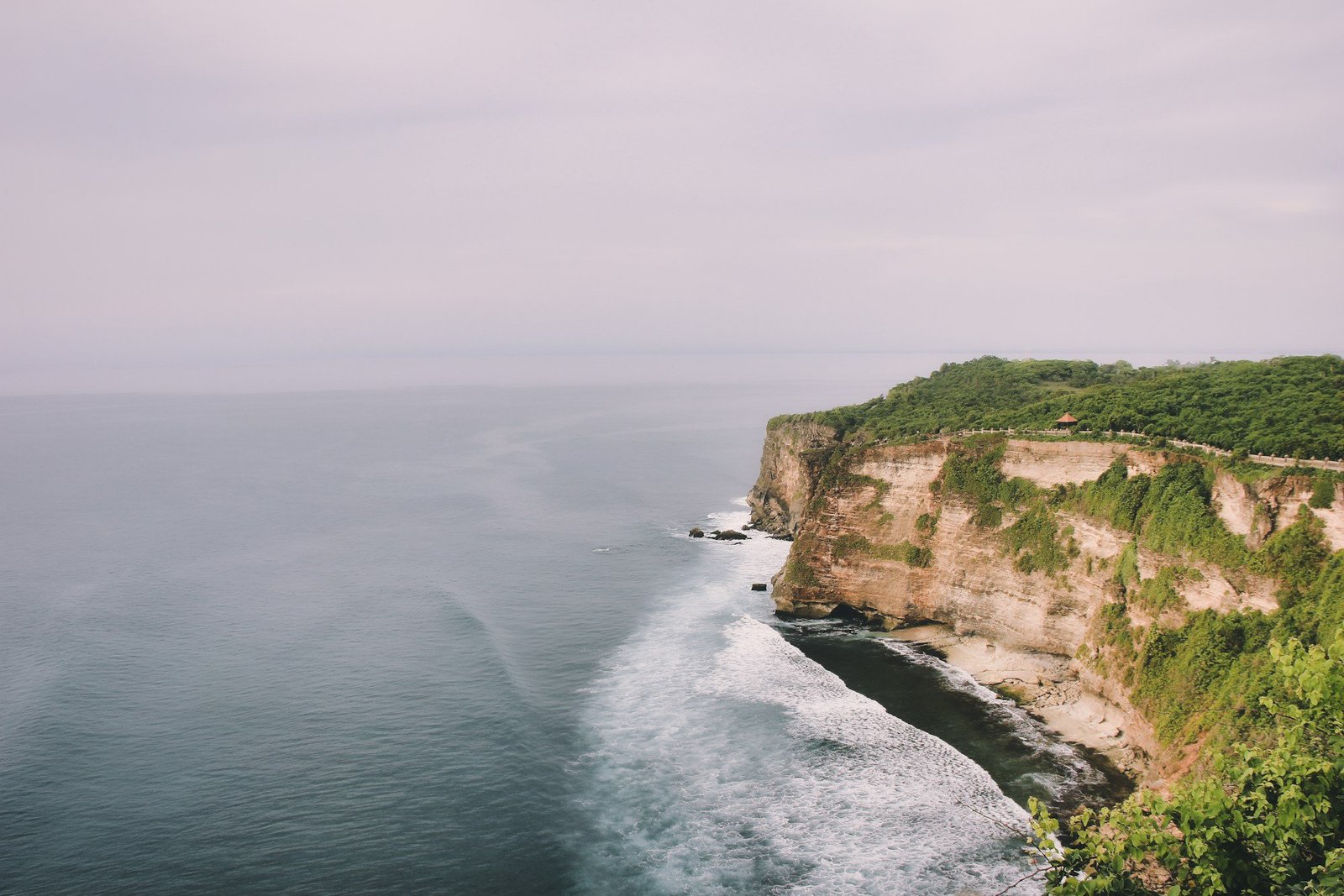
The dry season, from about April to October, is the season for Bali's west-facing breaks. Surf guides name the Bukit peninsula breaks around Uluwatu and Padang Padang, and the beaches at Kuta and Canggu further north. The same guides say the largest swells of the year arrive from June to August.

What that means for a beginner

The months with the biggest swell are not the gentlest months to learn in. We give no wave heights and do not rate any named break for difficulty, because we have no official source for either. Our advice to a beginner is to book lessons with a surf school and let the instructor choose the beach and the hour.

Crowds in the water

July and August are also the peak months for visitors generally, so the best-known breaks are shared with more people. A surfer who can travel in May, June or September gets the dry-season wind pattern with less company. Surf guides describe the prime season as starting around May.
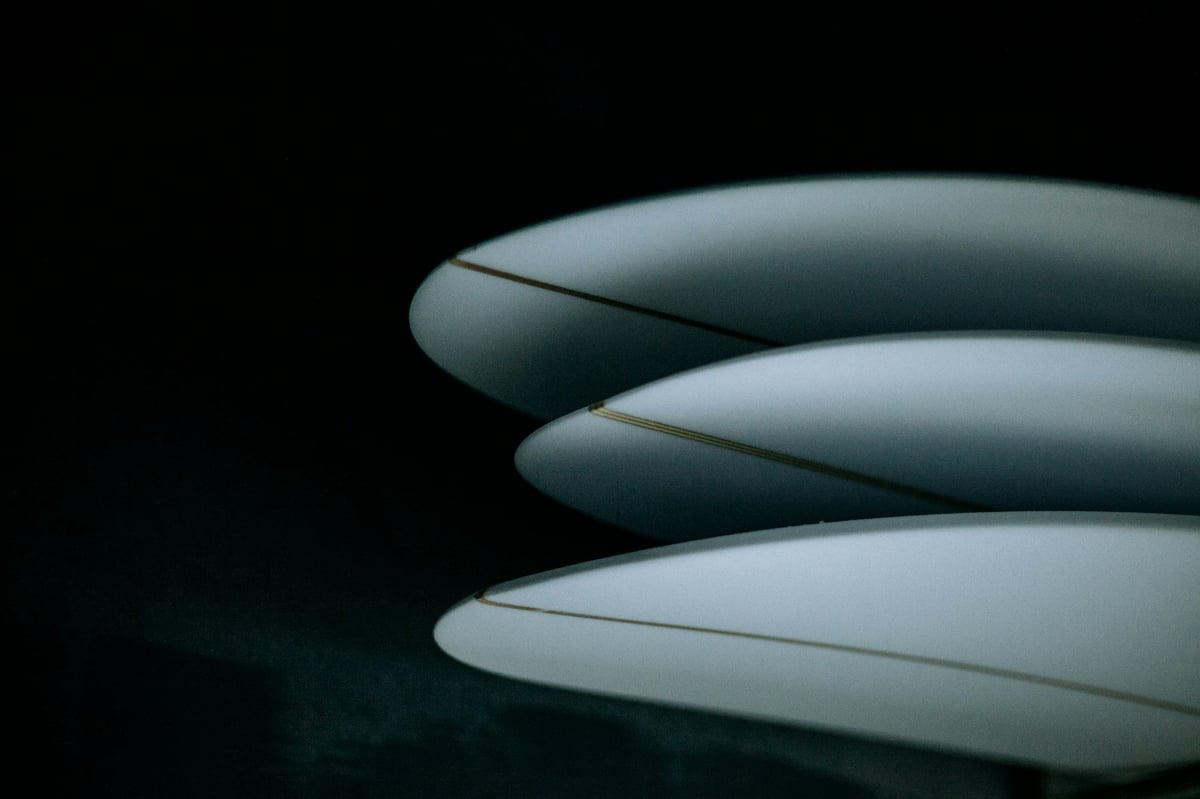
Three surfboards stacked side by side

Wet season: the east coast

The wet season, from about November to March, moves the surf to Bali's east-facing coast. Surf guides name Keramas, Sanur and Nusa Dua as the areas that benefit, since the northwest wind that spoils the west coast blows offshore there. The famous west-coast breaks are less reliable in these months.

Surfing in the rain

Rain itself does not stop surfing; the sea is warm and you are wet anyway. What changes is the water near river mouths after heavy rain. The CDC advises travelers in Indonesia to avoid swimming or wading in water that may be contaminated after flooding. Our advice is to give the water a day after a big downpour.

Fewer people

The wet season is the quieter season for visitors overall, apart from the Christmas and New Year period. A surfer willing to base on the east side of the island can expect less company than in July. We have no visitor statistics by month, so we state the direction only.

Choosing a base by season

A surfer's base in Bali should follow the season, because the drive between the two coasts takes time in the island's traffic. In the dry months, a base on the west side or on the Bukit peninsula puts the working breaks close. In the wet months, a base nearer Sanur or Nusa Dua does the same for the east side.

Non-surfers in the group

A mixed group has a second question: what the people who are not surfing will do. The base that is right for the waves is not always the base that is right for restaurants, shopping or a quiet pool. That is a trade the group should make on purpose before booking.

Transport with a board

Getting a surfboard around Bali means a scooter with a board rack or a car. Indonesia's traffic law requires a license matching the type of vehicle driven, and the State Department notes that a US driver's license alone is not recognized in Indonesia. A driver with a roof rack avoids the question.

Safety in the water

Surfing in Bali carries the ordinary risks of reef and current, and medical care is not next to the beach. The State Department says routine medical care is available in Indonesia's major cities and that an injured traveler will likely need to go to a major city for appropriate care. Ambulances can take 45 minutes or longer.

Insurance

The State Department strongly recommends supplemental insurance covering medical evacuation. Our advice is to check that your travel policy covers surfing by name, since some policies list water sports among their exclusions or charge extra for them. Ask before you travel, in writing.

Sun

The CDC's advice for outdoor activity in Indonesia is to use sunscreen with an SPF of at least 15, wear protective clothing, and remember that sunlight reflects off sand and water. A long-sleeved rash guard solves most of it for a surfer.

Planning a surf trip around the calendar

A surf trip to Bali starts with two dates and one decision: when you can travel, how long for, and which coast that month points to. The season sets the coast, and the coast narrows the choice of base. How the month, the coast and the base fit together is set out in the complete Bali trip guide.

FAQ

When is the best time to surf in Bali?

There is surf all year. Surf guides describe the dry season, about April to October, as best for the west coast, with the largest swells from June to August.

Can you surf in Bali in the rainy season?

Yes. Surf guides describe the east-facing coast, around Keramas, Sanur and Nusa Dua, as the side with cleaner conditions from about November to March.

Why does the surf change sides in Bali?

The wind reverses. Southeast trade winds in the dry season blow offshore on the west coast; northwest winds in the wet season blow offshore on the east coast.

Is Bali good for beginner surfers?

We do not rate individual breaks. Our advice to a beginner is to book lessons with a surf school and let the instructor choose the beach.

Keep planning
Not sure how it all fits together?

Pick your trip length and we'll route a real day-by-day plan.

Build your trip →