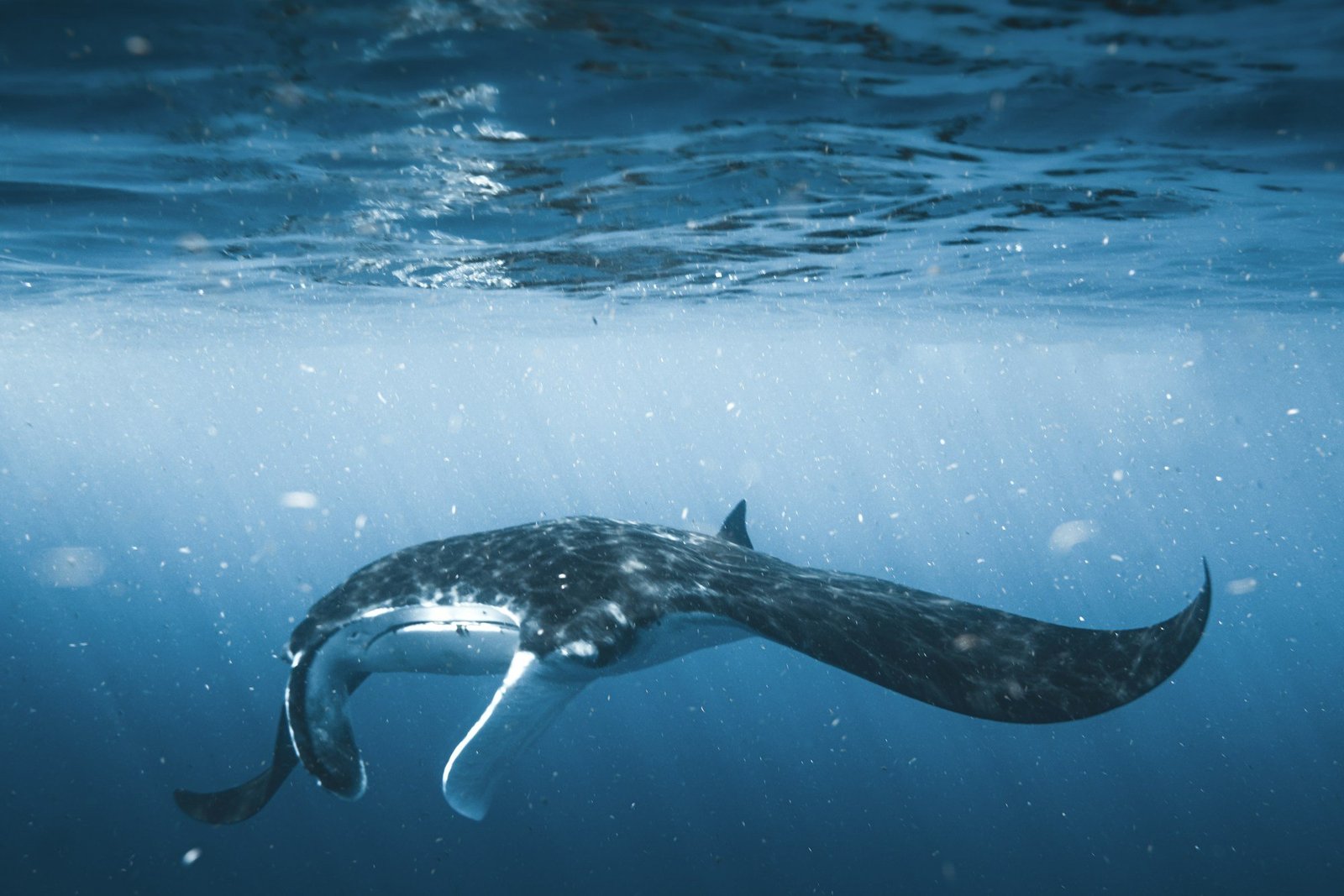
Manta rays are seen in the waters off Nusa Penida, at sites known as Manta Point and Manta Bay, on snorkeling and diving trips that leave from Bali, Nusa Lembongan and Penida itself. The trip involves open sea in a small boat, and sightings are never guaranteed. It suits confident swimmers who are comfortable in deep water, and it is a poor choice for nervous swimmers and anyone prone to seasickness.
Where the mantas are
The manta ray sites are off the coast of Nusa Penida, the largest of the three islands southeast of Bali. Researchers describe Manta Point and Manta Bay as shallow reefs used by manta rays throughout the year and visited frequently by tourism operators. The sites include places where mantas come to be cleaned by smaller fish and places where they feed.
A protected animal
Indonesia gave manta rays full legal protection in 2014 under a decree of the Ministry of Maritime Affairs and Fisheries, and the waters around Nusa Penida are one of the country's designated manta sanctuaries. Catching or trading them is illegal. Watching them is the legal economy that replaced it.
No promises
We have no official source for how often mantas are seen, or in which months, so we give no odds and no season. They are wild animals in open water. An operator who guarantees a sighting is promising something no one controls.
How the trip works
A manta trip is a boat trip. Boats to the Nusa islands leave mainly from Sanur, and travel guides give that crossing as roughly 30 to 45 minutes. Trips are sold as snorkeling tours or as scuba dives, from Bali as a full day or from Lembongan and Penida as a half day.
From Bali or from the islands
A trip from mainland Bali adds the crossing in both directions to the day. A trip from Nusa Lembongan or Nusa Penida starts much closer, since Lembongan is about ten minutes from Penida by local boat. Travelers already planning island nights will find the manta trip easier to do from there.
Snorkel or dive
Mantas at these sites can be seen from the surface, which is why snorkeling trips exist. Diving requires certification. The State Department notes that diving in Indonesia can be dangerous because of minimal safety regulations, so the choice of operator matters more here than at home.
Sea conditions
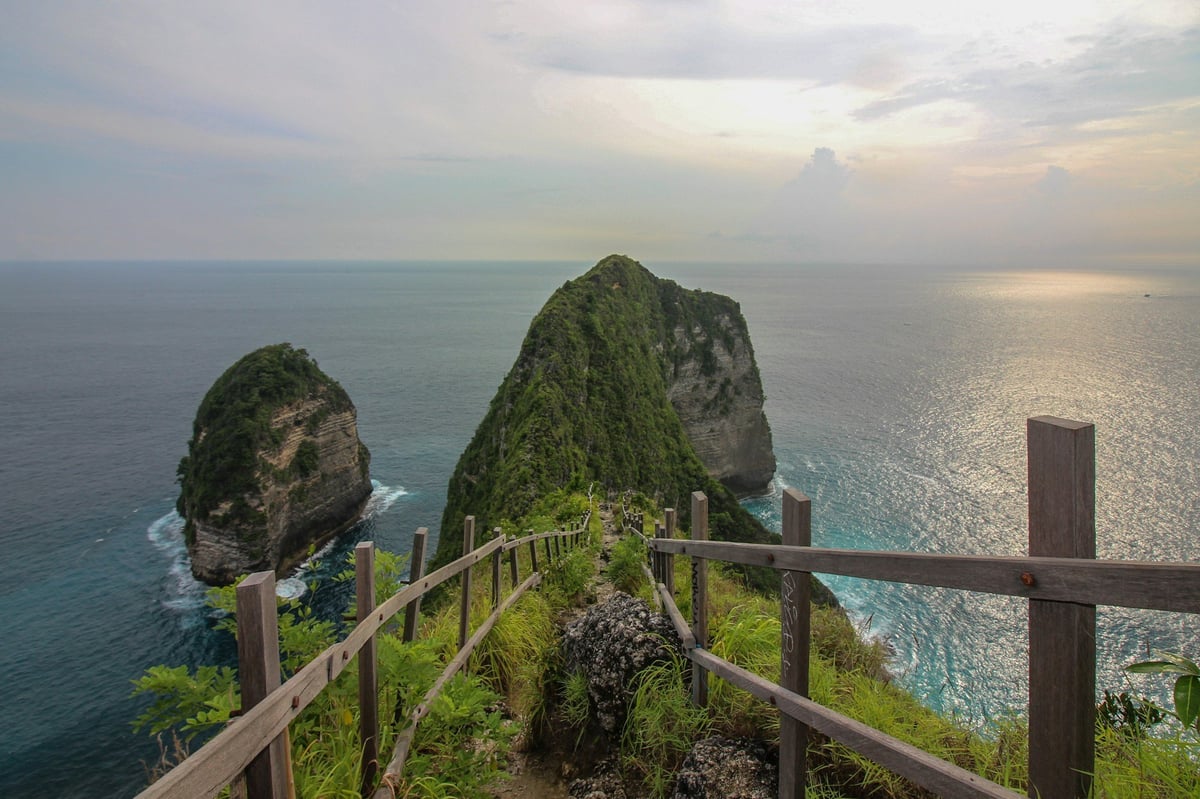
The manta sites lie on the exposed ocean side of Nusa Penida, not in a sheltered bay. We have no official source on swell or currents there, so we describe none in detail. The planning fact is that the sea decides: trips are moved or cancelled when conditions are poor, and a rough day is uncomfortable even when the trip runs.
Seasickness
A small boat sitting in ocean swell while snorkelers are in the water is hard on anyone prone to seasickness. If that is you, our advice is to take medication beforehand as your doctor recommends, to eat lightly, and to consider whether this outing is worth a miserable morning.
In the water
Snorkeling here means deep, open water with no bottom to stand on, and often some swell. Wear the life jacket or flotation offered, stay with the group and the guide, and get back on the boat when you are tired. Ask before you book whether life jackets are carried for every passenger.