A scooter is cheap and needs a motorcycle license most Americans lack; a driver costs more and removes the legal and insurance risk. How to choose between them.
Editorial Written and checked for American travelers
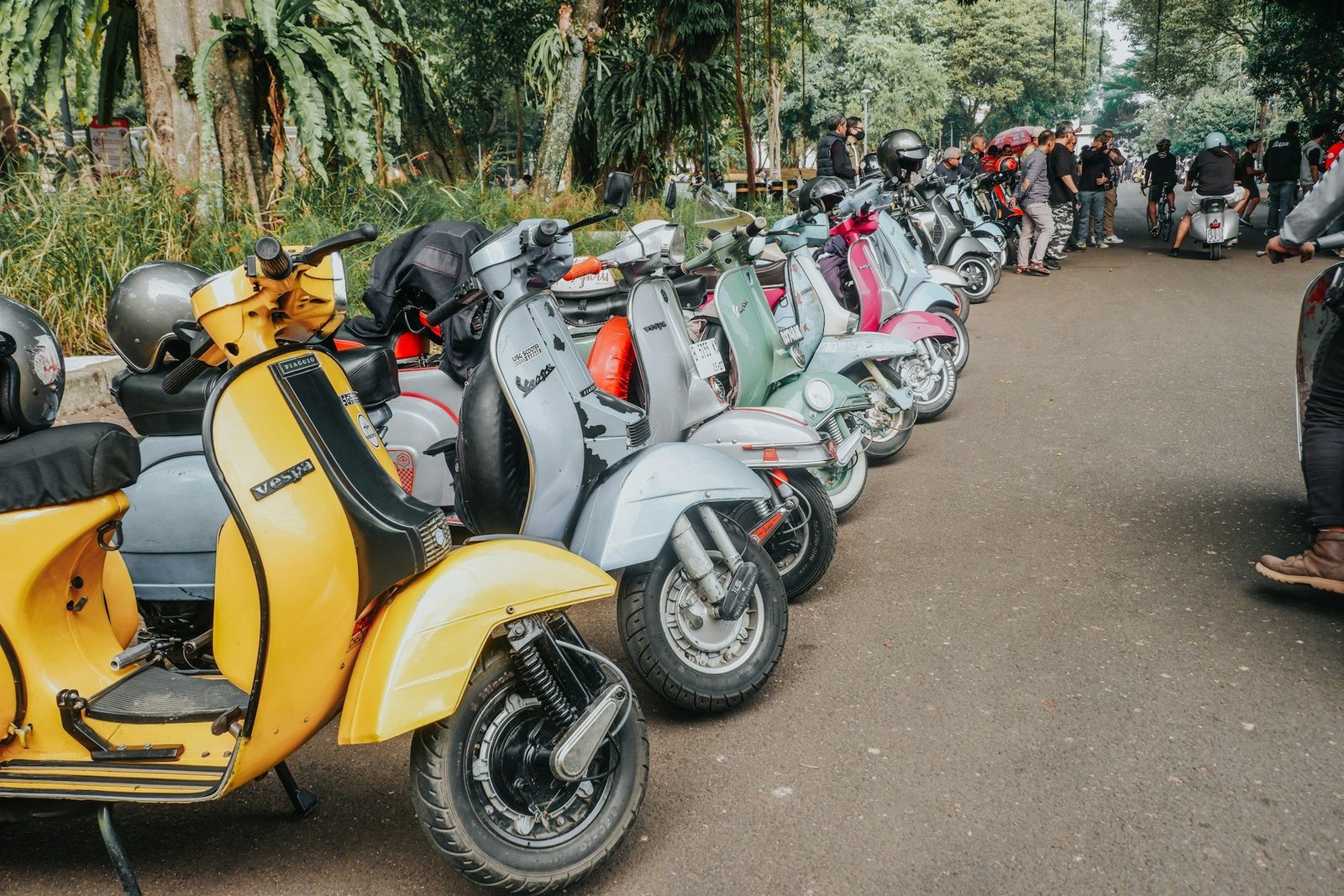
For most American visitors, a driver is the better choice in Bali and a scooter is the riskier one. A scooter is cheap and flexible, and riding one legally requires a license that covers motorcycles, which most Americans do not hold. A driver costs more per day and removes the license question and the navigation. The answer changes for an experienced, licensed rider.
The legal difference
The first difference between a scooter and a driver in Bali is legal. Indonesia's traffic law requires every rider to hold a license matching the type of vehicle driven, and it treats motorcycles as their own class. The State Department adds that a US driver's license alone is not recognized in Indonesia.
What that means for an American
An American who holds a motorcycle endorsement at home and carries an International Driving Permit that reflects it has the paperwork the law describes. An American with a car license only does not, because a car entitlement does not match a motorcycle. The permit is a translation of the license you have, not an upgrade to it.
The penalty
Riding without the required license carries up to 4 months' detention or a fine of IDR 1,000,000 for riding without the required license under the traffic law. Those are the statutory maximums. The US Consular Agency in Bali reports a current enforcement campaign that includes traffic and vehicle violations.
A driver has none of this
A passenger in a hired car needs no license of any kind. The license requirement falls on the person driving. That is the plainest argument for a driver, and for a visitor without a motorcycle license our view is that it settles the matter.
The safety difference
The second difference is physical. A scooter rider in Bali shares narrow roads with cars, trucks and a great many other motorbikes, which the State Department notes pass on either side. Indonesian law requires a helmet for the rider and the passenger. A car puts a steel body between you and the same traffic.
After a crash
The State Department says an injured traveler in Indonesia will likely need to go to a major city for appropriate medical care, that ambulances can take 45 minutes or longer, and that hospitals often require payment or a sizable deposit upfront. Those are the stakes of any road injury, and a rider has less protection than a car passenger.
Experience counts
Bali is a hard place to learn to ride. Our advice is blunt: if you have never ridden a motorbike at home, do not start here. The combination of unfamiliar traffic, left-hand driving, heat and jet lag is a poor classroom.
The insurance difference
The third difference shows up only when something goes wrong. A travel policy may make cover for a motorbike accident depend on the rider being licensed for that vehicle. We cannot tell you what your policy says. The question to put to your insurer in writing is whether you are covered riding a scooter in Indonesia with the license you hold.
Damage to the scooter
Damage to a rented scooter is a matter between you and the rental shop, on whatever terms you agreed. We have no official source on how rental shops handle it, so we describe no practice. Photograph the scooter from every side before you ride away, and read anything you are asked to sign.
Passengers in a hired car
As a passenger with a driver, your exposure is that of any passenger in any car. Your own travel insurance still matters for medical cover, which the State Department highly recommends for Indonesia.
The cost and convenience difference
The case for a scooter is cost and freedom. A scooter rented by the day costs a small fraction of a car with a driver, and it goes where you want when you want, through traffic a car sits in. We quote no prices for either, since they vary and we have no official source.
Where a scooter makes sense
A scooter suits a licensed, experienced rider making short local trips from a base: to the beach, to a cafe, to dinner. Bali's rules for visitors require a valid license, a helmet, and no riding under the influence of alcohol or drugs, and they prohibit carrying more passengers than the vehicle allows.
Where a driver makes sense
A driver suits full days out, anything involving luggage, any group with children, and any journey after dark or in rain. The road distances are short, at about 22 miles from the airport to Ubud, and the hours on the road are long, and they pass more easily in a back seat.
The middle options
The choice is not only between the two. Ride apps cover short hops in the south at a fare shown in advance, and both Grab and Gojek offer rides as a passenger on a motorbike, which gets you through traffic without your holding the handlebars or the liability.
What this decision actually sits inside
Notice what happened across all of this. The scooter question was never about scooters. It ran through the license in your wallet, the wording of an insurance policy bought at home, the distance from your base to a hospital, and how far your villa is from the places you want to go. A remote base makes a scooter tempting; a central one makes it unnecessary.
How the license, the insurance and the choice of base fit together is worked through in Bali, in Its Own Time.
FAQ
Should I rent a scooter or hire a driver in Bali?
Hire a driver unless you hold a license that covers motorcycles and have real riding experience. Indonesian law requires a license matching the vehicle.
Can I ride a scooter in Bali with a US license?
The State Department says a US license alone is not recognized in Indonesia, and the law requires a license matching the vehicle type, with a separate class for motorcycles.
Is a scooter cheaper than a driver in Bali?
Yes, by the day. The comparison changes once license, insurance and accident risk are counted.
Is it safe to ride a scooter in Bali?
Bali's roads are narrow and crowded with motorbikes. Our advice is not to ride if you have no experience at home.