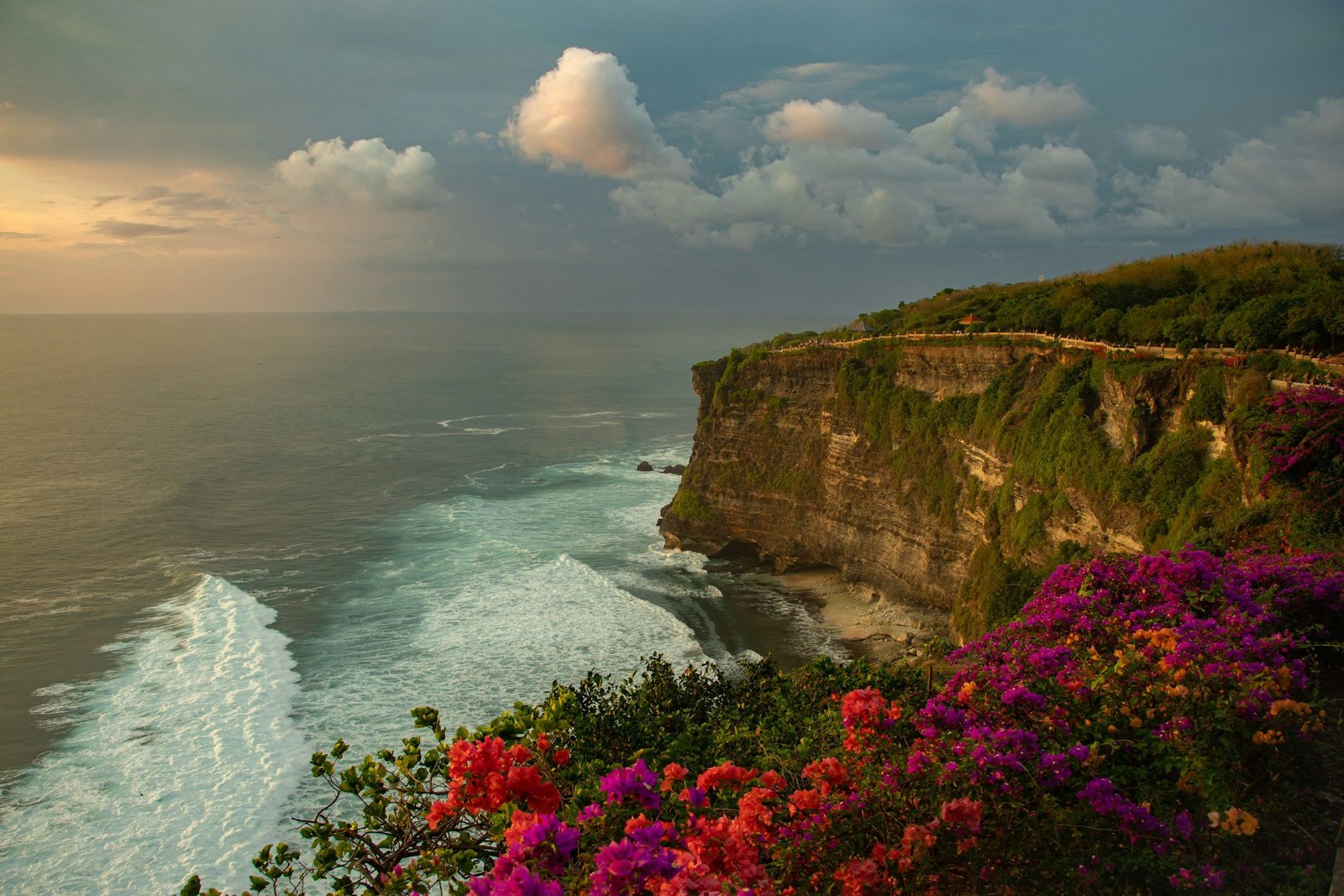
The Bukit is the limestone peninsula at Bali's southern tip, and Uluwatu is its best-known corner, named for the temple that stands on a cliff above the sea. The area is known for surf breaks, white sand beaches below cliffs, and sunsets. It is about 13 miles from the airport, and it suits surfers and travelers who want scenery and space more than a walkable town.
What the Bukit is
The Bukit peninsula hangs below the rest of Bali, joined to it by a narrow neck of land where the airport sits. Travel guides describe it as the rugged southernmost part of the island. Uluwatu is on its southwestern corner, Jimbaran at its neck on the west side, and Nusa Dua on its eastern shore.
How it differs from the rest of the south
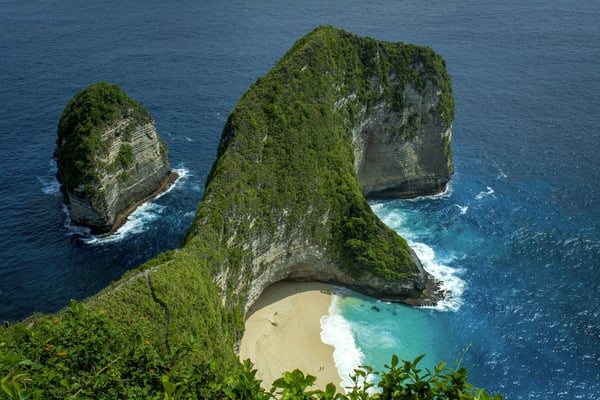
The Bukit is limestone, and its coast is cliffs with beaches at the bottom, reached by steps. That geography gives the views the area is known for, and it means that a beach day here usually involves a climb.
The regency
The peninsula is part of Badung regency, like Seminyak and Canggu. The local tax on restaurant food and drink and on hotel stays is 10%, with a service charge added separately where a business chooses to add one.
Uluwatu Temple
Uluwatu Temple is the reason the area's name is known. Travel guides describe it as perched on a cliff about 75 meters above the waves. It is a working temple, and Bali's rules for visitors apply: modest dress is required in sacred places, and tourists may not enter the inner courtyards unless they are there to pray in Balinese traditional dress.
Visiting
The temple grounds along the cliff edge are the part visitors walk through. Our advice is to wear clothing that covers shoulders and knees and to accept the sarong and sash offered at the entrance. Keep sunglasses, phones and food secure if there are monkeys about.
Sunset and the dance
The temple is on the west-facing coast, so sunset is the popular hour. A kecak dance is staged for visitors at the temple in the evening; we have not sourced its times or ticket prices, so check locally on the day.
Beaches and surf
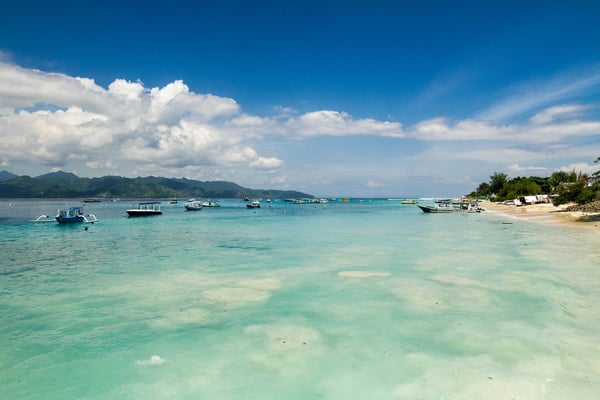
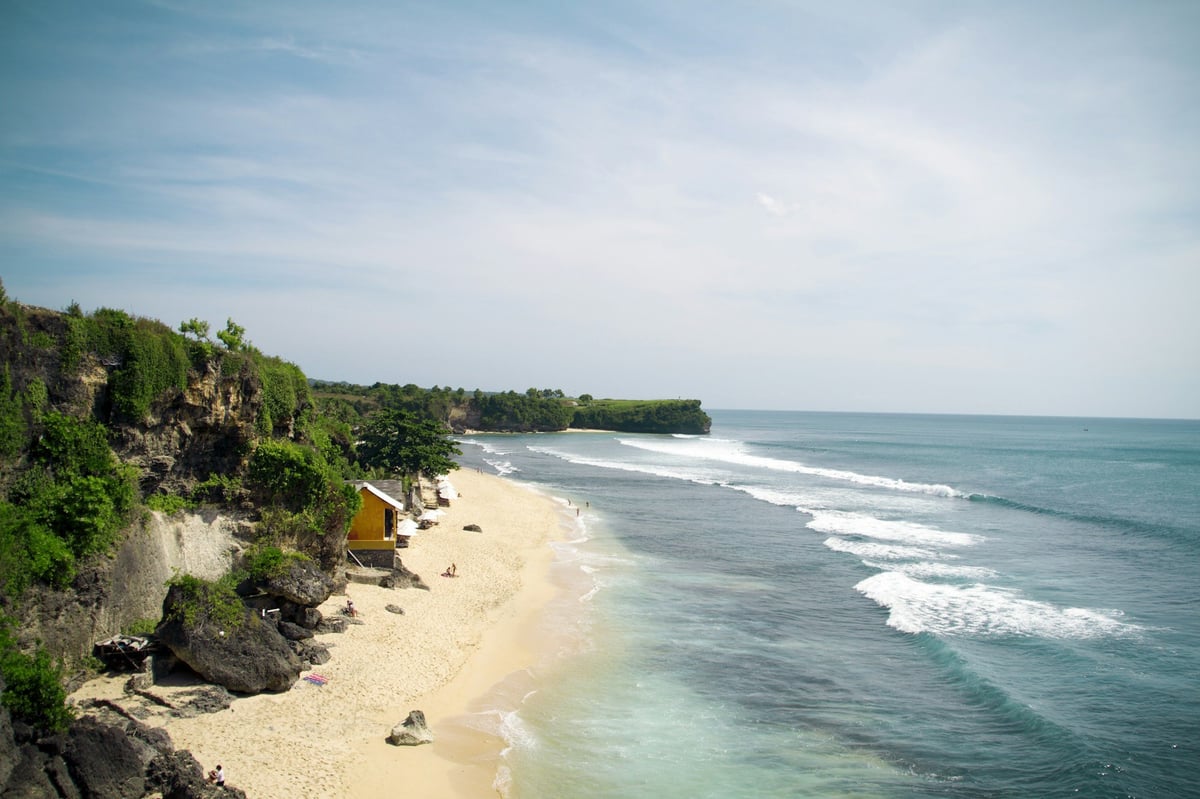
The Bukit's beaches are white sand coves at the foot of cliffs, which sets them apart from the long dark-sand beaches further north. Travel guides name Padang Padang among them. Surf guides list the breaks around Uluwatu and Padang Padang among the west-facing spots that are at their best in the dry season.
When the surf works
Surf guides describe the dry season, from about April to October, as the time when southeast trade winds blow offshore on this coast, with the largest swells arriving from June to August. We rate no break for difficulty. Many of the Bukit's waves break over reef, so our advice to a beginner is to take lessons elsewhere first.
Swimming
Reef, tide and swell decide whether a Bukit beach is swimmable on a given day. We have no official source on conditions at each beach, so we describe none as safe. Ask at your accommodation about the tide before you walk down, since some coves have little sand at high water.
The steps
Most Bukit beaches are reached by long flights of steps down the cliff. That is easy going down and hot work coming back. Travelers with small children, heavy bags or limited mobility should ask how many steps a beach involves before choosing it.