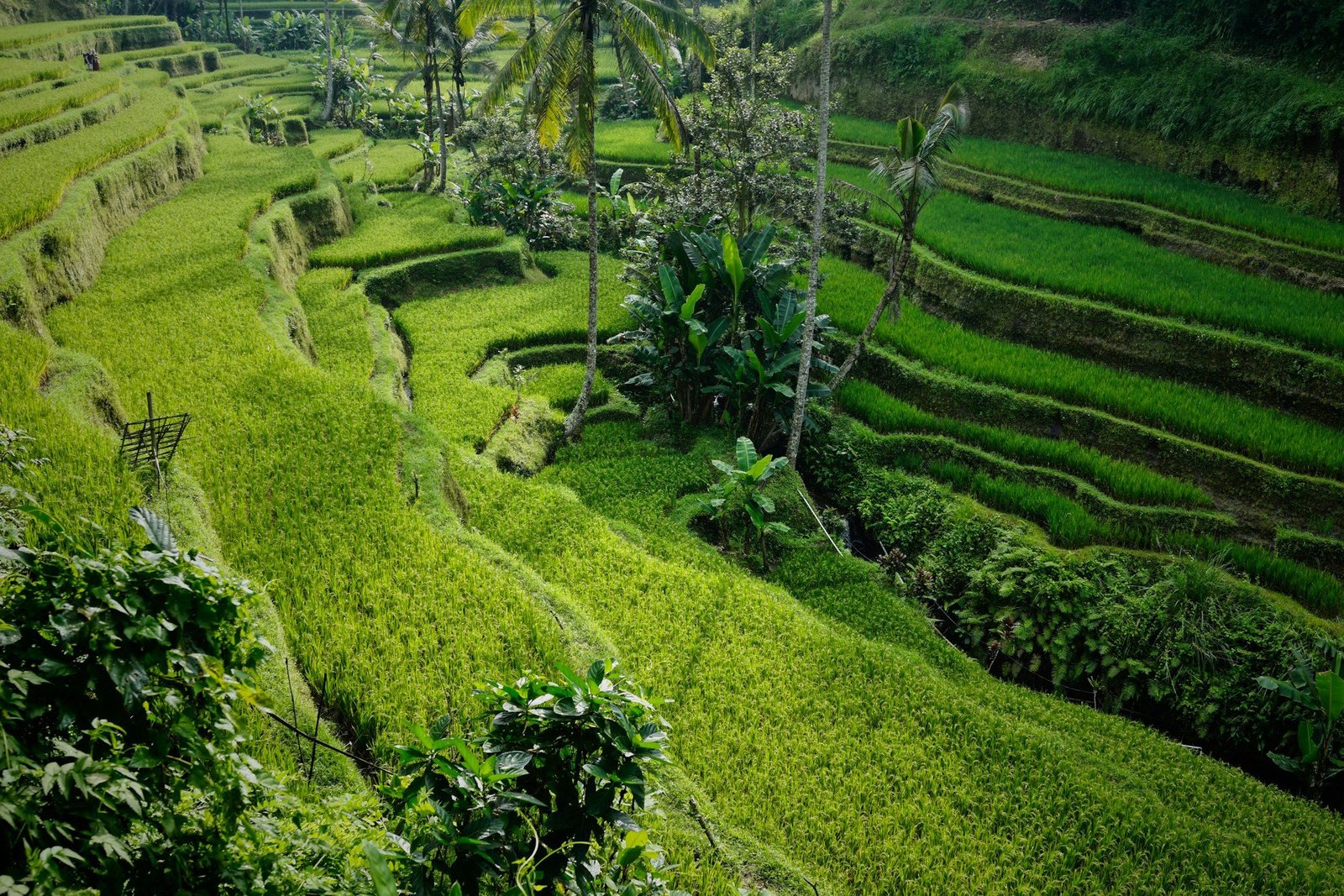
Ubud is an inland town in the hills of central Bali, regarded as the island's center for arts and culture. It has rice terraces, temples, museums and a monkey forest, and no beach. It suits travelers who want culture, walking and cooler air, and it is the natural base for the center and east of the island. The town center is busy, and the quiet people imagine is in the villages around it.
What Ubud is
Ubud is a town in central Bali, at about 200 meters above sea level, which makes it cooler than the coast. Travel guides describe it as the cultural center of Bali and its arts and crafts hub. What looks like one town is made up of fourteen villages, each run by its own village committee, known as a banjar.
Where it is
Ubud lies inland, about 22 miles from the airport to Ubud by road. It is about 14 miles from the coast at Sanur and about 19 miles from Canggu. There is no beach. A day at the sea from Ubud is a drive each way, which is a good reason to treat Ubud and the beach as separate parts of a trip.
Which regency
Ubud is in Gianyar regency, a different local government from the beach resorts of the south, which are mostly in Badung. The practical consequence is small: local tax on restaurant and hotel bills is set by each regency, and Gianyar's rate matches Badung's.
How Ubud is laid out
Central Ubud is built around three main streets: Jalan Raya Ubud, Jalan Monkey Forest and Jalan Hanoman. They meet near the market and the palace, which mark the center of town. The Sacred Monkey Forest lies at the southern end of the street named after it. This core can be covered on foot.
The surrounding villages
The villages around the center each have their own character. Campuhan, Sanggingan and Penestanan lie to the north and west; Nyuh Kuning and Pengosekan to the south; Peliatan to the east. Many of the places described as "Ubud" in a hotel listing are in one of these villages, a walk or a short ride from the center.
Traffic in the center
Central Ubud is walkable, and it is congested. Travel guides describe the center as crowded with visitors and the traffic as very bad. The streets are narrow and were not built for the number of cars and motorbikes that now use them. Staying within walking distance of what you want to do saves a great deal of time.
What there is to see
Ubud's sights divide into those in the town and those a drive away. In town are the market, the palace, the museums and the Sacred Monkey Forest. The Campuhan ridge walk starts on the western edge of the center. Outside town are the cave temple of Goa Gajah to the east and the spring temple of Tirta Empul to the north.
Rice terraces
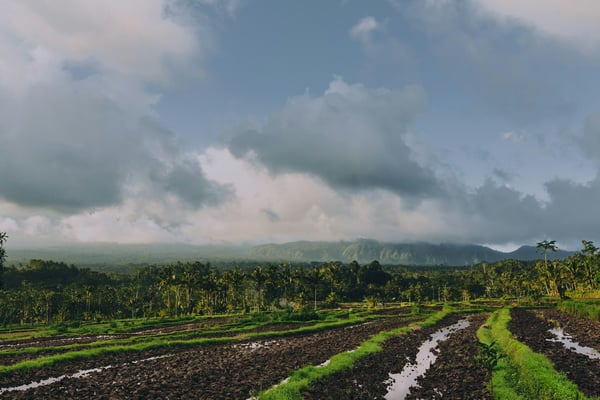
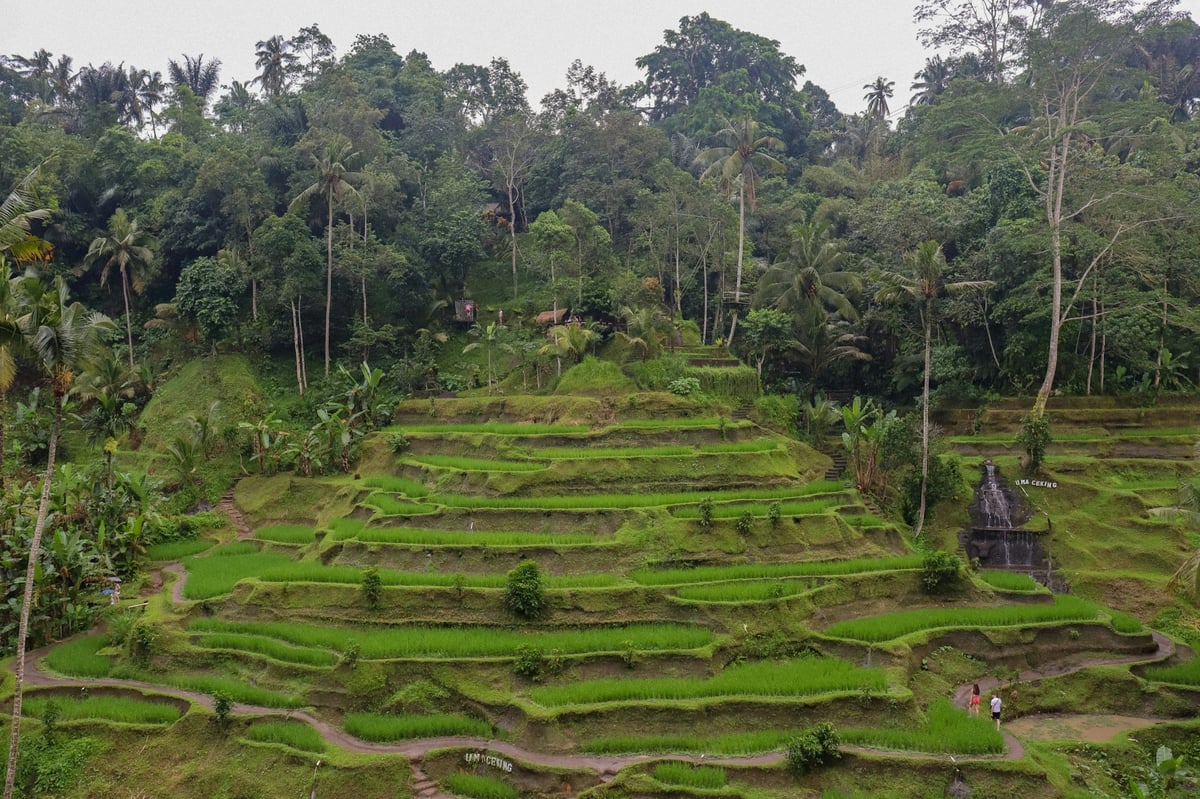
The Tegallalang rice terraces are about 6 miles northeast of central Ubud. Bali's rice-terrace landscape and its water temples are a UNESCO World Heritage site, built on a cooperative irrigation system called subak that dates back to the 9th century. The listing covers five terrace areas and their temples across the island.
Temples and dress
Temple visits around Ubud follow Bali's rules for visitors, which require modest dress in sacred places and bar tourists from the inner courtyards unless they are there to pray in Balinese traditional dress. Our advice is to carry a sarong and a sash, and to cover shoulders and knees.
The monkeys
The Sacred Monkey Forest is a temple site with a large resident population of macaques. The CDC says dogs infected with rabies are commonly found in Indonesia, and its general advice to travelers there is to keep away from animals. Our advice at the forest is to carry no food, keep bags closed, and see a doctor promptly after any bite or scratch.